
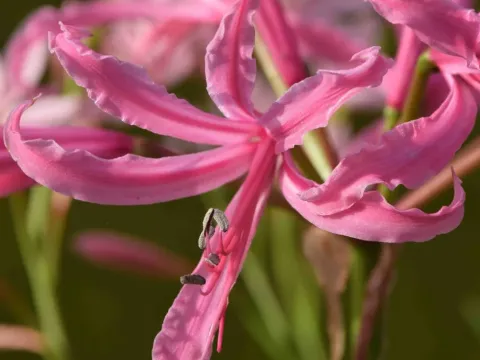
Nerine
Nerine
Nerine is a genus of perennial bulbous plants belonging to the Amaryllidaceae family. Native to Southern Africa, these plants have evolved to survive in rocky habitats characterized by distinct wet and dry seasonal cycles.
What the section contains


Nerine
Cultivation of Nerine requires highly porous, well-draining soil to prevent bulb rot, which is the primary cause of crop failure. The ideal growing medium is a mixture of sandy loam and organic components that ensure proper aeration.
Regarding climate, the plant thrives in bright, filtered light. It is sensitive to frost and extreme cold, requiring a controlled environment in temperate zones where a distinct period of dry dormancy at lower temperatures is essential for flower induction.
Irrigation management is crucial; it must be abundant during the active growing phase but almost entirely restricted during the dormancy period to ensure that the bulbs store sufficient energy for the next blooming cycle.
The plant is highly valued in commercial floriculture as a premium cut flower. Its striking, trumpet-shaped blossoms and longevity in a vase make it a staple in the luxury cut flower industry, requiring precise harvest techniques.
The most significant pathological threats to Nerine include basal rot and fungal infections caused by over-irrigation or inadequate drainage systems within the planting area.
Pests such as mealybugs, aphids, and spider mites pose a constant threat, particularly in glasshouse environments where climate control allows these populations to flourish quickly.
Effective management involves integrated pest control strategies, including the use of sticky traps and targeted biological or chemical agents applied early in the infestation cycle.
Preventing soil-borne pathogens is achieved through strict sanitation practices, including the sterilization of potting media and the careful inspection of all incoming bulb shipments.
Regular monitoring of moisture levels is essential to keep the crop healthy, as waterlogged conditions weaken the plant's natural defenses, making it more susceptible to secondary infections.