
Nothoscordum borbonicum
Nothoscordum borbonicum
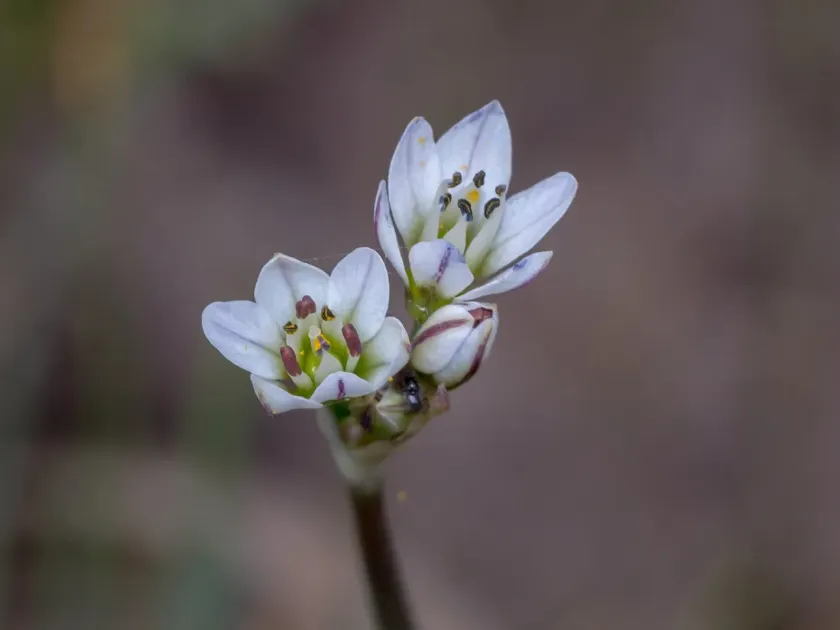
Description
Sowing dates
Planting Nothoscordum borbonicum is typically scheduled for the autumn months, allowing bulbs to establish roots before the soil temperature drops significantly. In regions with severe frosts, spring planting is an acceptable alternative to prevent potential winter damage to the bulbs.
The ideal planting depth ranges between 5 and 8 centimeters. Soil composition is a key factor; lighter soils allow for slightly deeper planting, whereas heavier or more compact soils require a layer of sand at the base of the hole to improve drainage.
If propagating by seed, the material should be sown in early spring using well-draining seed-starting mix. Stratification is highly recommended to break dormancy and ensure a uniform germination rate among the seeds.
The planting density should be adjusted based on the intended visual effect, typically ranging from 30 to 40 bulbs per square meter. This spacing provides enough room for individual plants to develop while creating a cohesive display.
Proper preparation of the soil is essential before sowing. Adding organic matter, such as well-rotted compost, provides a nutrient-rich foundation that encourages vigorous growth and better flower production throughout the season.
Growing requirements
Nothoscordum borbonicum is a member of the Amaryllidaceae family, originating from South America. As a bulbous perennial, it is well-adapted to various temperate climates, provided that the environment mimics its native habitat preferences.
The plant thrives in full sun exposure, which is necessary for optimal bloom quality and foliage development. While it can tolerate partial shade, insufficient light often results in weak stems and significantly reduced flower counts.
Soil requirements focus on excellent aeration and drainage. The plant is sensitive to waterlogged conditions, which can quickly lead to root rot. Soils should be slightly acidic to neutral in pH for the best nutritional uptake.
Watering frequency should be moderate during the active growing season. It is critical to monitor the soil moisture levels carefully, as constant dampness during the dormancy phase will prove detrimental to the long-term health of the bulbs.
Fertilization with a balanced, slow-release fertilizer is beneficial when applied at the onset of spring growth. This approach provides a steady supply of nutrients as the plant transitions from its dormancy period to active vegetative development.
Main diseases and pests
Common pests affecting this crop include bulb mites and onion flies, which target the subterranean bulb tissue. Integrated pest management strategies, such as using horticultural oils or systemic insecticides, are necessary when infestations occur.
Fungal pathogens such as Fusarium and various rots are frequent issues, particularly in high-humidity climates. Ensuring proper soil drainage and reducing overhead irrigation are the most effective preventative measures against these pathogens.
Thrips may pose a threat during dry, hot weather, feeding on the leaf tissues and causing stippling or distorted growth. Regular monitoring and application of appropriate soap-based or chemical sprays can control these insect populations.
Viral infections can significantly decrease the vigor and productivity of Nothoscordum borbonicum. Since these are often spread by insect vectors, controlling aphids and other sucking insects is vital to maintaining the health of the bulb stocks.
Sanitation practices play a major role in disease prevention. Removing and destroying infested plant material immediately after detection helps to curb the spread of soil-borne diseases and limits the buildup of pest populations in the garden beds.