
Nothoscordum montevidense
Nothoscordum montevidense
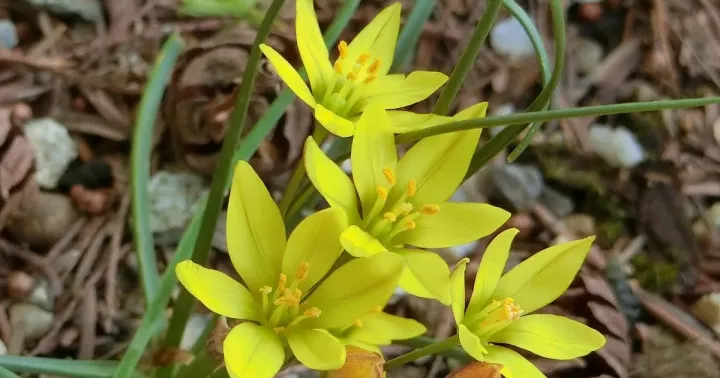
Description
Sowing dates
Sowing Nothoscordum montevidense seeds is ideally performed in early spring once soil temperatures reach a consistent 15-18 degrees Celsius. Seeds require adequate moisture and proper seedbed preparation to ensure uniform germination rates.
Vegetative propagation via daughter bulbs is the most effective method for maintaining genetic purity and achieving faster maturity. Planting should be done in well-prepared, friable soil to accommodate the root expansion of the bulbs.
Seed depth should be kept at 1-2 centimeters to ensure the seedlings emerge with sufficient vigor. When planting mature bulbs, spacing should be set between 10 and 15 centimeters to allow for optimal foliage development.
Autumn planting is feasible in milder climates, provided the bulbs are protected by a layer of organic mulch. This practice helps prevent frost-heaving and maintains soil temperature during the dormant phase.
The ideal potting or sowing medium consists of a blend of peat, sand, and organic soil in a 2:1:1 ratio. This composition provides the necessary aeration and moisture retention required for early plant life stages.
Growing requirements
Nothoscordum montevidense, belonging to the Amaryllidaceae family, thrives in full sun exposure. The species is highly sensitive to light deficiency, which typically results in stunted growth and a significant reduction in flowering performance.
The plant demonstrates broad adaptability to various soil textures, provided that internal drainage is sufficient. Sandy or silty loams are considered the preferred choice for professional cultivation to prevent water stagnation.
A soil pH ranging from 6.0 to 7.5 is ideal for supporting nutrient uptake and general plant health. If the soil is significantly acidic, application of lime is recommended to create the necessary chemical balance for the roots.
Consistent, moderate irrigation is essential during the active vegetative season. It is vital to avoid waterlogging the soil, as Nothoscordum bulbs are highly susceptible to oxygen deprivation in water-saturated environments.
The plant prefers temperature ranges between 18 and 25 degrees Celsius for active growth. Proper ventilation should be maintained to ensure that the microclimate around the foliage remains dry and healthy.
Main diseases and pests
Root rot is the primary threat to Nothoscordum montevidense, usually caused by over-irrigation or improper soil drainage. Management involves strict irrigation control and the application of fungicides if fungal colonization is suspected.
The onion fly is a common pest that targets the bulbous tissue of the plant. Integrated pest management strategies, including the use of targeted insecticides, are recommended to maintain healthy bulb populations throughout the season.
Thrips may infest the leaves, causing visible damage and reducing the overall quality of the foliage. Early detection through regular monitoring allows for targeted spray applications before the infestation spreads significantly.
Viral infections can cause discoloration and mosaic symptoms in the foliage. Because there is no cure for these viruses, removing and destroying infected plants is critical to protecting the health of the remaining crop.
Leaf spots caused by fungal pathogens often occur during periods of high humidity. Maintaining clean inter-row spaces and ensuring proper airflow are effective cultural practices to minimize the spread of these pathogens.