
Nothoscordum dialystemon
Nothoscordum dialystemon
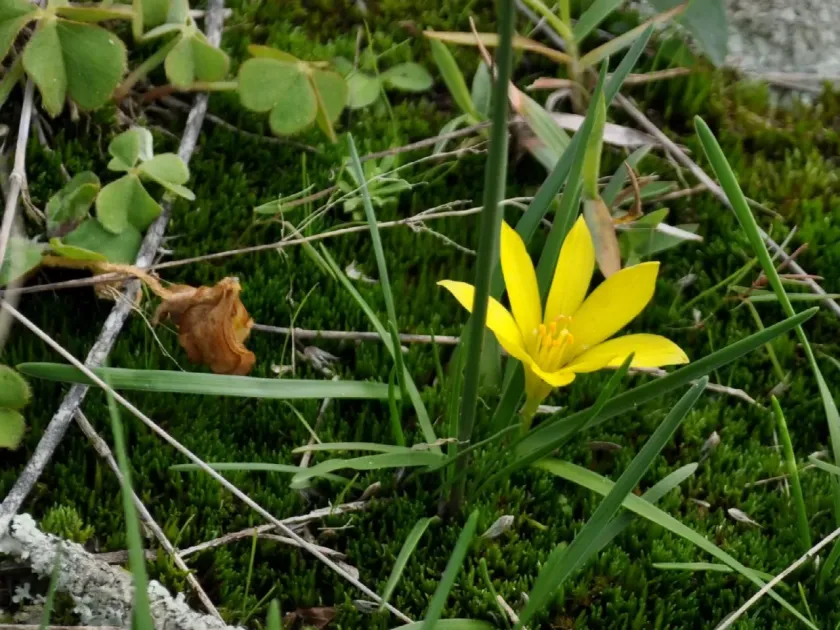
Description
Sowing dates
Planting Nothoscordum dialystemon typically takes place in the spring once the risk of heavy ground frost has passed and the soil has started to warm up.
Optimal sowing depth is generally 5 to 8 centimeters, depending on the bulb size and the texture of the soil, ensuring the bulbs are stable.
Proper spacing between individual plants, usually around 10–15 centimeters, is essential to allow for good airflow and sufficient nutrient uptake for each bulb.
It is recommended to plant in well-prepared, loose soil to facilitate root establishment and prevent the bulbs from sitting in cold, waterlogged conditions.
For regions with mild climates, late autumn planting is sometimes practiced, provided the soil does not freeze deeply before the roots establish themselves.
Growing requirements
As a member of the Amaryllidaceae family, Nothoscordum dialystemon thrives in sunny, open locations where it can receive maximum light during the growing season.
The soil must be well-drained, as these bulbs are sensitive to waterlogging, which often leads to root and bulb rot during the dormant or growth phases.
Neutral soil pH is preferred, supporting balanced nutrient uptake and ensuring that the plant reaches its full physiological potential during the spring bloom.
During the active growth stage, moderate irrigation is required; however, the soil should be allowed to dry out significantly during the summer dormancy.
In cooler climates, applying a layer of organic mulch in late autumn can help protect the underground bulbs from extreme temperature fluctuations in winter.
Main diseases and pests
Fungal pathogens represent the primary threat to the health of the plant, often induced by improper watering practices or poorly ventilated planting sites.
Fusarium wilt and various forms of basal rot are common, manifesting as discolored tissues and softening of the bulb, eventually compromising the plant's structural integrity.
Pests like onion flies and other soil-dwelling larvae can cause significant damage by feeding on the bulb tissues, creating entry points for secondary infections.
Preventative measures include treating bulbs with suitable fungicides before planting and ensuring the soil structure is airy and free of excess moisture.
Regular monitoring of the planting site allows for early detection of infected plants, which must be removed and destroyed to prevent the spread of disease.
Harvesting
Harvesting bulbs should be done once the foliage has naturally withered and turned yellow, signaling that the plant has entered its dormant stage.
Bulbs are carefully lifted from the soil, taking care to avoid any mechanical damage, which could otherwise become a site for fungal decay during storage.
After removal, bulbs should be cleaned of soil debris and dried in a cool, shaded, and well-ventilated area for several days to prevent moisture buildup.
Storage requires a cool, dry, and dark environment, with temperatures consistently between 10–15 degrees Celsius to maintain bulb viability until the next season.
Periodic inspections throughout the storage period are necessary to remove any softening or rotting bulbs, thereby ensuring the longevity of the healthy stock.