
Nevski onion
Allium nevskianum
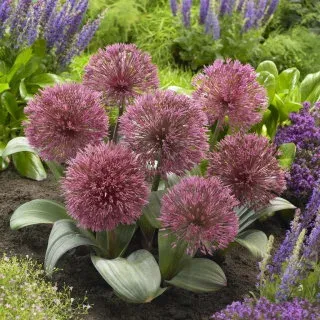
Description
Sowing dates
The Nevski onion is a bulbous perennial member of the Amaryllidaceae family. It is primarily propagated through seeds, which require a cold stratification period to break dormancy and ensure successful germination.
Seeds are best sown in late autumn, allowing the cold winter temperatures to naturally prepare them for spring growth. The soil should be kept moist but not saturated during this critical period.
For vegetative propagation, bulb division is the preferred method. This is undertaken after the plant has entered its dormant phase, typically in late summer once the foliage has withered completely.
When planting bulbs, a depth of about three times the height of the bulb is recommended. This provides sufficient insulation and support for the developing root system as the plant prepares for spring.
Proper spacing is essential when sowing or planting to ensure adequate airflow around the bulbs, which significantly reduces the risk of fungal development during the early stages of growth.
Growing requirements
As a species native to the mountainous regions of Central Asia, Allium nevskianum thrives in conditions that mimic its alpine habitat. High solar radiation is crucial for both its growth and the development of its ornamental inflorescences.
The soil must be exceptionally well-draining, preferably a sandy or rocky substrate with a neutral to slightly alkaline pH. Heavy, compacted soils that retain moisture will inevitably lead to bulb rot.
While the plant requires moderate moisture during its active growing season in early spring, it demands a distinct period of dryness during the summer. This dry summer rest is critical for the plant's long-term health.
Temperature management is key; the plant handles wide diurnal temperature variations well. However, it requires a significant "dry heat" period in mid-summer to fully ripen its bulbs for the following season.
Regular weeding is necessary to prevent competition for resources. As a slow-growing alpine species, it can easily be overwhelmed by more aggressive garden plants or surrounding weeds.
Main diseases and pests
The most significant threat to the Nevski onion is fungal pathogens, particularly in poorly drained soils. Fusarium rot is a frequent issue that quickly destroys the root plate and the bulb base.
Mildew and other foliage diseases can appear if the plant is exposed to humid, stagnant air. Ensuring adequate spacing and choosing a site with good natural airflow is the best preventative measure.
Bulb-feeding pests, such as onion flies or various nematodes, can cause damage to the internal structure of the bulbs. Regular inspections of the foliage and bulbs during storage are necessary.
Proper sanitation practices are vital. Removing infected plant parts promptly and avoiding the replanting of bulbs in the same area for several years helps break the lifecycle of potential soil-borne pests.
Chemical control should be used sparingly. Integrated pest management, focusing on soil health and environment control, is much more effective for long-term survival of this species.
Harvesting
Seed harvesting should occur once the seed capsules have fully matured and begun to turn brown. They should be dried in a cool, ventilated area away from direct sunlight to preserve viability.
Bulbs intended for transplanting or division should only be lifted after the foliage has naturally turned yellow and died back. This ensures that the bulbs have stored enough energy for the next cycle.
After harvesting, bulbs must be cleaned and air-dried in a shaded, well-ventilated spot. It is crucial to remove any damaged bulbs to prevent rot from spreading through the storage container.
Storage conditions should be cool, dry, and dark. Using breathable mesh bags or wooden crates allows for sufficient air exchange, which is essential to maintain bulb health throughout the winter months.
Strategic harvesting of inflorescences can be beneficial if the gardener wants to promote bulb growth. By removing flower heads after bloom, the plant redirects energy back into the bulb rather than seed production.