
Crowpoison
Nothoscordum bivalve
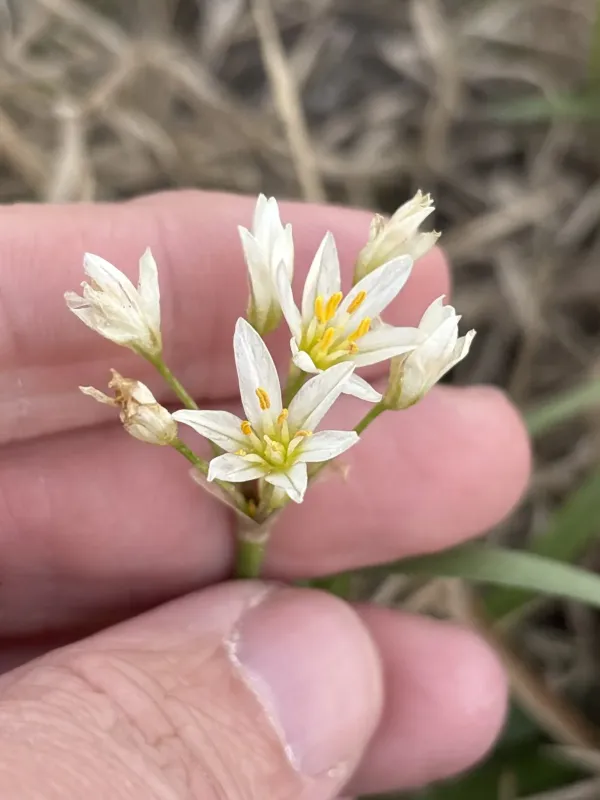
Description
Growing requirements
Crowpoison (Nothoscordum bivalve) is a perennial bulbous plant belonging to the Amaryllidaceae family. It is native to the southern parts of the United States and Mexico, thriving in grasslands and limestone outcrops.
The plant features thin, grass-like basal leaves and produces white or pale-yellow star-shaped flowers. Its inflorescence is an umbel, typically emerging on a slender scape during the spring months.
In terms of cultivation, this species prefers sunny environments and well-draining soil. It is relatively drought-tolerant once established but requires consistent moisture during the active growing season for optimal development.
Agricultural management includes site selection with adequate sunlight and ensuring the soil has a neutral to slightly alkaline reaction. The plant is often propagated through bulb division, which is the most effective method for maintaining genetic consistency.
Due to its aesthetic appeal, it is used in ornamental horticulture, particularly in wild gardens or rock landscapes. It serves as a hardy alternative to traditional bulbous flowers in specific temperate climates.
Main diseases and pests
The primary threats to Nothoscordum bivalve are fungal infections such as Fusarium wilt and basal rot. These pathogens thrive in waterlogged soil conditions, making drainage a critical aspect of plant health management.
Pests such as bulb mites and onion flies are significant threats to the root systems. They cause internal damage to the bulb scales, which can lead to rapid decline and secondary bacterial infections if left untreated.
Cultural control measures, such as proper spacing and the avoidance of over-irrigation, are essential to minimize the risk of pest and disease outbreaks. Keeping the planting area free of debris helps reduce overwintering sites for harmful organisms.
In cases of severe infestation, targeted application of appropriate miticides or insecticides is necessary to preserve the health of the bulbs. Integrated pest management strategies remain the most effective approach for large-scale plantings.
Regular monitoring of plant health throughout the vegetative phase allows for early intervention against aphids and other sap-feeding insects. Maintaining overall plant vigor through proper nutrition is key to natural resistance against environmental stressors.