
Narcissus willkommii
Narcissus willkommii
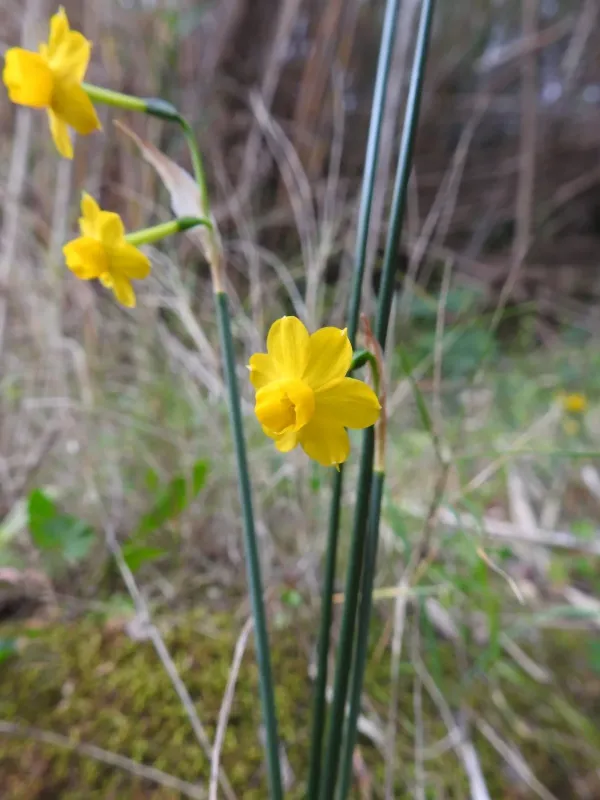
Description
Growing requirements
Narcissus willkommii is a perennial bulbous plant belonging to the Amaryllidaceae family. It is a distinct species known for its early spring blooms and specific ecological preferences.
The native range of this species is primarily the Iberian Peninsula, where it thrives in rocky, well-drained soils. It has adapted to the Mediterranean climate, which dictates its active growing season.
To cultivate this plant successfully, one must provide a soil substrate that is exceptionally well-drained. Sandy or rocky loam is ideal, as the species cannot tolerate waterlogged conditions during its dormancy.
Light requirements for Narcissus willkommii are high, necessitating full sun exposure during its vegetative phase. In insufficient light, the plant will fail to produce flowers or will show significant weakness in stem development.
Temperature management is critical, especially in regions with hard freezes. While it is hardy in its native habitat, winter protection is advised in colder climates to prevent damage to the developing underground structures.
Main diseases and pests
The primary fungal threats to Narcissus willkommii include basal rot and Fusarium wilt. These pathogens are most prevalent when soil moisture levels remain too high, particularly during the plant's summer resting period.
Narcissus flies are major pests that lay eggs near the bulb. The emerging larvae burrow into the bulb, consuming the plant from the inside, which often leads to the death of the specimen.
Root mites are another concern, as they weaken the bulb and provide entry points for pathogens. Maintaining a clean and sterile growing environment is the best prevention against these infestations.
Nematodes represent a biological threat that can lead to leaf yellowing and structural deformation. Once a bulb is infected by nematodes, it must be removed and destroyed to prevent spreading to other plants.
- Use high-quality drainage systems in beds.
- Practice regular inspection for pest signs.
- Apply fungicidal dips before autumn planting.
- Ensure a dry storage period for harvested bulbs.