
Nerine laticoma
Nerine laticoma
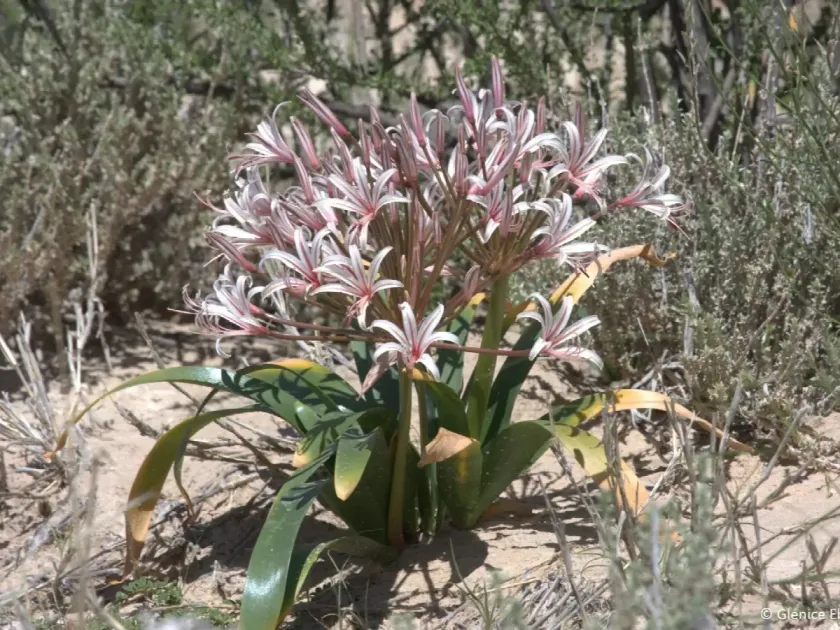
Description
Growing requirements
Nerine laticoma is a striking perennial bulbous plant belonging to the Amaryllidaceae family. It originates from the arid regions of Southern Africa, which defines its specific physiological adaptations and growth requirements.
The plant thrives in well-drained, sandy soils that mimic its natural rocky habitat. Proper soil structure is essential, as waterlogging is the most significant factor leading to bulb rot and plant failure.
In terms of light, this species requires full sun exposure to stimulate flowering. Adequate solar radiation is necessary for the bulb to accumulate sufficient energy reserves during the active growth phase.
Environmental conditions should include a warm, dry growing season followed by a distinct period of dormancy in a cooler environment. This temperature differentiation is critical for triggering the flowering mechanism.
In regions outside its natural range, Nerine laticoma is commonly grown in pots or greenhouses, allowing for precise control over substrate moisture and temperature during the critical developmental stages.
Main diseases and pests
The primary threats to Nerine laticoma include fungal diseases such as Fusarium wilt and basal rot, which frequently occur due to poor drainage and excessive irrigation practices.
Bulb-damaging pests, most notably the larvae of the narcissus fly, pose a severe risk to the health of the plant by tunneling into the bulb and compromising its structural integrity.
Under greenhouse conditions, poor ventilation and high humidity can lead to infestations of spider mites, which feed on foliage and significantly reduce the photosynthetic capacity of the plant.
Aphids can also become an issue, as they tend to congregate on the succulent flower spikes and can act as vectors for various plant viruses, causing stunted growth.
Preventive measures include maintaining rigorous hygiene during bulb storage, ensuring adequate air movement, and using preventative chemical controls when early signs of infestation are detected.