
Nerine versicolor
Nerine versicolor
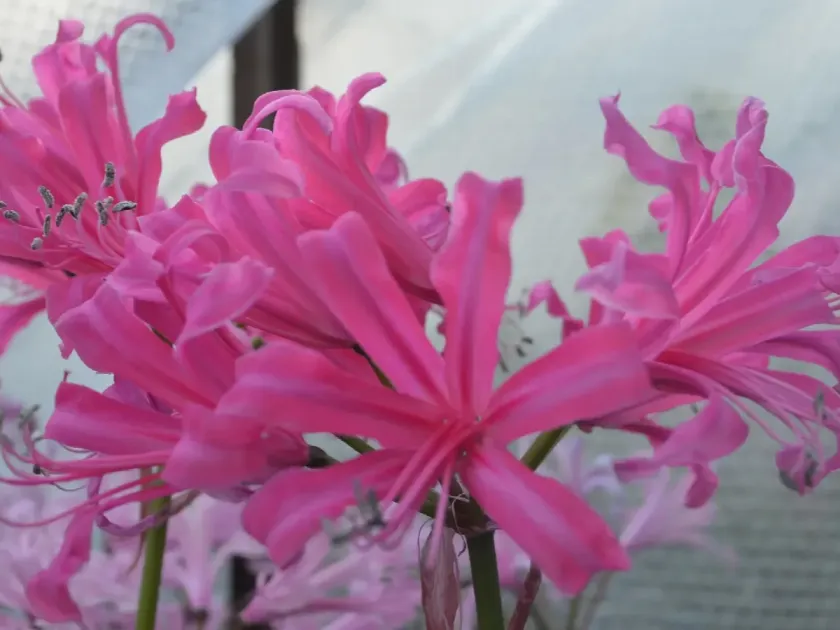
Description
Growing requirements
Nerine versicolor is a perennial bulbous plant belonging to the Amaryllidaceae family. Originating from the diverse habitats of Southern Africa, this species has evolved to thrive in regions characterized by distinct wet growing seasons and dry dormant periods.
Botanically, the plant is known for its slender, strap-like leaves and elegant, funnel-shaped flowers that appear in clusters. The species is highly valued in horticulture for its chromatic versatility and distinct structural beauty, making it a focal point in specialized gardens.
To achieve successful cultivation, growers must provide a well-draining, gritty soil mix that prevents water accumulation around the bulb. The species thrives in environments with high light intensity and requires adequate space to develop its root system, which is typically sensitive to disturbance.
Agronomic management relies heavily on controlling the life cycle through moisture regulation. During the growing season, consistent water and balanced fertilization are essential, whereas the dormant phase requires near-total dryness to simulate the natural habitat and promote floral initiation.
Temperature management is critical for this species, as it lacks significant frost tolerance. In commercial or hobby production, it is typically managed as a container crop, allowing for easy relocation to protected environments during colder months.
Main diseases and pests
The primary threats to Nerine versicolor are soil-borne fungal pathogens, particularly those causing basal rot when moisture levels are not strictly managed. Maintaining proper soil drainage and using fungicide treatments on bulbs are standard preventive measures.
Pest issues include typical greenhouse invaders such as red spider mites and mealybugs, which thrive in low-humidity environments. Integrated pest management using biological controls or targeted systemic insecticides is recommended to keep plants healthy throughout the growing cycle.