
Nerine undulata
Nerine undulata
Description
Growing requirements
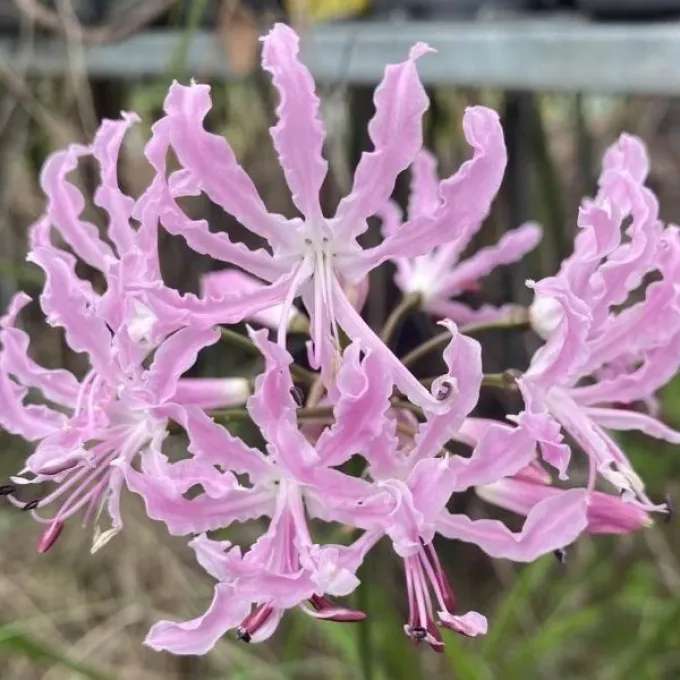
Nerine undulata, commonly known as the wavy-leaved nerine, is a bulbous perennial belonging to the Amaryllidaceae family. Originating from South Africa, this species is highly valued for its elegant, undulating petals and long-lasting floral spikes.
Botanically, the plant develops from a bulb that requires a specific cycle of growth and dormancy. The leaves are narrow and grass-like, usually appearing after or during the flowering stage, depending on the specific environmental conditions of the season.
The crop requires a well-draining, porous soil medium. It thrives in loamy or sandy soils with a slightly acidic to neutral pH. Proper soil structure is essential to prevent bulb rot, which is a common failure point for amateur and commercial growers alike.
Light exposure is the primary driver of development. Full sun is required to achieve high-quality yields in terms of stem length and bloom density. In restricted light conditions, the plant will prioritize vegetative growth over reproductive development.
Water management is the most critical aspect of the plant's agronomy. During the active growth season, regular watering is necessary. However, as the foliage yellows, irrigation must be completely suspended to induce the mandatory rest period.
Main diseases and pests
The primary threat to Nerine undulata is fungal infection caused by waterlogged soils, particularly species of Fusarium and Pythium. Implementing proper irrigation systems and soil sanitation is the best defense strategy.
Insect pests, specifically mealybugs and aphids, often target the plant in sheltered environments like greenhouses. Integrated pest management, including the use of soaps and targeted insecticides, should be employed to mitigate damage.
The narcissus fly (Merodon equestris) poses a severe risk to the bulbs. Larvae bore into the bulb, destroying its core. Soil treatment and inspection of bulbs before planting are vital components of the crop protection plan.
Viral pathogens such as mosaic virus can lead to stunted growth and reduced flower quality. Because these viruses are typically systemic and incurable, rigorous culling of infected individuals is the standard professional practice.
Finally, environmental stress from improper temperature control during dormancy can lead to secondary infections. Maintaining a cool, dry climate during the resting phase is crucial for sustaining the health and longevity of the bulb stock.