
Lapiedra martinezii
Lapiedra martinezii
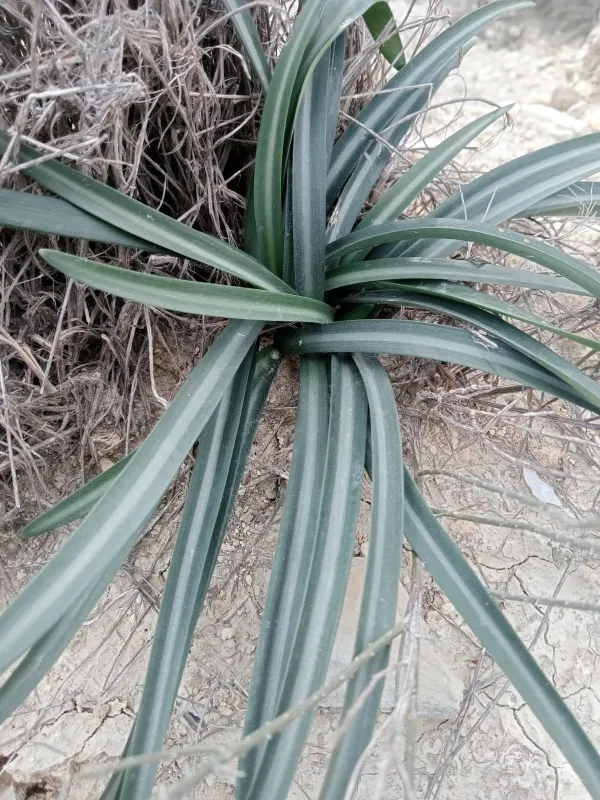
Description
Growing requirements
Lapiedra martinezii is a distinctive bulbous plant belonging to the Amaryllidaceae family. Native to the limestone cliffs and rocky crevices of Eastern Spain, it has evolved to thrive in harsh, nutrient-poor, and well-drained environments.
The plant exhibits a unique phenology where flowering typically precedes the emergence of leaves. This adaptation allows the plant to utilize the moisture of early autumn while avoiding the intense heat of the Mediterranean summer peak.
Successful cultivation requires a substrate with exceptional porosity. Horticulturalists recommend a mixture consisting of coarse sand, perlite, and crushed limestone to ensure the bulb does not rot during the dormant or wet winter phases.
Exposing the plants to full sun is essential for photosynthesis and energy storage. In controlled environments, providing a position with maximum light intensity throughout the vegetative cycle is crucial for sustained flowering year after year.
Management of the irrigation cycle is the most critical aspect of maintenance. Once the foliage begins to senescence, water must be strictly withheld to induce complete dormancy. Providing too much moisture during the resting phase is the primary cause of plant failure.