
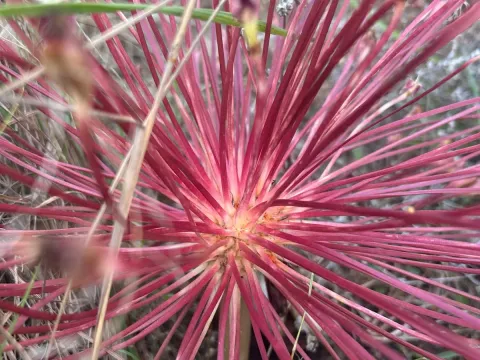
Crossyne
Crossyne
Crossyne is a genus of bulbous perennial plants belonging to the family Amaryllidaceae. Native to the winter-rainfall regions of South Africa, these plants are highly specialized to survive in environments characterized by distinct seasonal cycles, featuring a period of active winter growth and a dry summer dormancy.
What the section contains


Crossyne
Botanically, the genus is easily recognized by its large bulbs and strap-like leaves, which are typically fringed with distinctive hairs along the margins. The flowers, borne on sturdy scapes, form elegant umbels that add significant aesthetic interest, making the plant a prized subject for specialized botanical collections.
Successful cultivation requires soil that is extremely free-draining, mimicking the sandy and stony substrates of their native habitat. Pot culture is the most common method, as it allows for precise control over the moisture levels, which is crucial to preventing the roots and bulbs from succumbing to rot.
The climate requirements include a period of bright, cool, and wet conditions for vegetative growth, followed by a complete cessation of watering during the summer months. Providing adequate air circulation and intense light is essential, especially when grown indoors or in greenhouses where light intensity might otherwise be insufficient.
Regarding its use, Crossyne is primarily a horticultural subject. It serves as an example of unique geophytic flora, utilized by enthusiasts for display and scientific observation. It is not an agricultural crop in the traditional sense, but it holds great value for those dedicated to conserving and propagating rare bulb species.
The most significant threat to the health of Crossyne is the development of fungal pathogens, particularly basal rot and Botrytis, which thrive in poorly aerated or waterlogged conditions. Once a bulb begins to decay from the base, recovery is extremely difficult, making prevention the best strategy.
Pests such as mealybugs, spider mites, and aphids can infest the foliage, particularly in confined greenhouse environments. These pests not only weaken the plant by feeding on its sap but can also transmit viral infections that cause leaf distortion and reduced vigor.
Integrated pest management is recommended, focusing on the use of systemic fungicides and miticides to maintain plant health. Keeping the growing area clean and removing any dead foliage promptly significantly reduces the potential for localized outbreaks of pests and diseases.
Proper hygiene during repotting is essential, as pathogens are often transmitted through contaminated soil or unsterilized tools. Utilizing high-quality, sterile potting mixes ensures that the bulbs do not come into contact with soil-borne bacteria that could initiate decay during the active growth phase.
Consistent monitoring is the key to minimizing these threats. By observing the plant for early signs of yellowing leaves or discolored bulb tissue, a grower can intervene before a minor issue develops into a systemic failure, ensuring the longevity of these delicate bulbous specimens.