
Crossyne flava
Crossyne flava
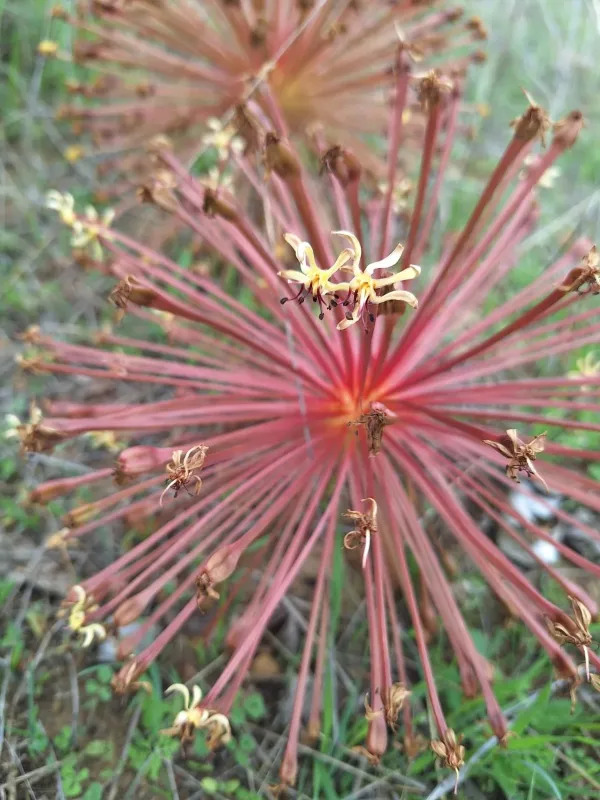
Description
Growing requirements
Crossyne flava is a fascinating bulbous plant belonging to the Amaryllidaceae family. Native to the Cape region of South Africa, it has evolved to thrive in environments with distinct winter rainfall and hot, arid summers, which dictates its specific agricultural management.
The plant is defined by its large, moisture-storing bulb and a rosette of tough, leathery leaves with characteristic wavy or serrated margins. The inflorescence consists of an umbel of numerous, delicate yellow-green flowers that emerge from the center of the rosette.
To cultivate Crossyne flava successfully, the grower must provide a well-draining, gritty soil mix that prevents water stagnation. Poor drainage is the most significant constraint for this species, as the bulb is highly susceptible to rotting in waterlogged conditions.
The climate requirements include a cool, moist growing season followed by a completely dry, warm dormancy phase. Providing this environmental rhythm is essential for the maturation of the bulb and the subsequent blooming cycle.
Due to its specialized nature, this crop is primarily grown in botanical gardens or by specialized enthusiasts. It requires minimal fertilization, as it is adapted to nutrient-poor, rocky substrates found in its natural habitat.
Main diseases and pests
The primary threats to this plant are fungal pathogens, specifically those causing bulb rot and basal plate decay. These diseases are almost always linked to improper irrigation practices, such as watering during the dormancy period or failing to provide adequate soil drainage.
Insect pests include bulb mites and various species of aphids that congregate in the leaf axils. Monitoring the plant closely during the active growth phase is critical to prevent colonization, which can stunt development or introduce viral infections that are difficult to manage.