
Crinum purpurascens
Crinum purpurascens
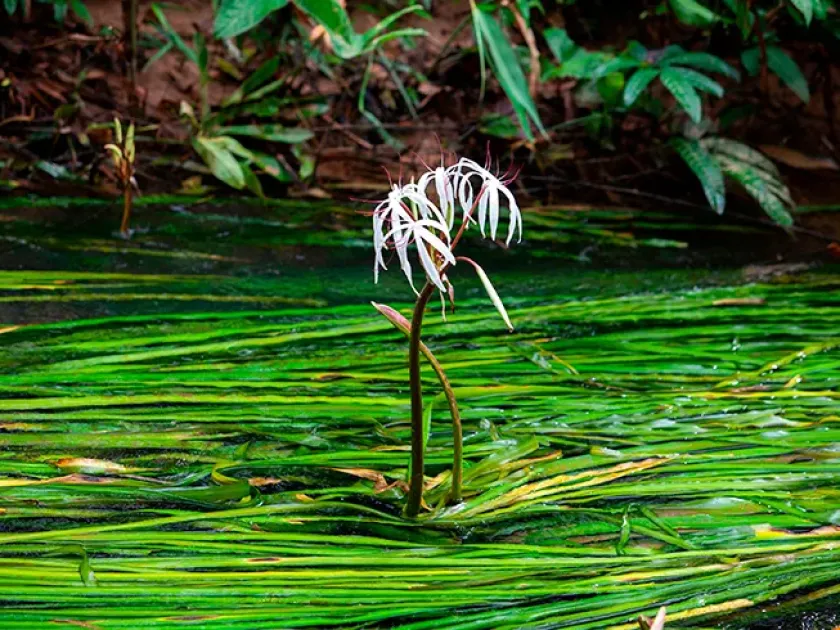
Description
Growing requirements
Crinum purpurascens is a perennial bulbous plant belonging to the Amaryllidaceae family, native to the tropical wetlands of Western and Central Africa. Known for its distinct morphological traits, this species thrives in environments characterized by high humidity and consistent warmth.
In a controlled agricultural setting, Crinum purpurascens requires a temperature range of +22°C to +28°C. Being a tropical plant, it cannot withstand frost or significant temperature drops. Cultivation is primarily conducted in specialized greenhouses where environmental parameters can be precisely regulated.
The substrate must be highly fertile and possess excellent drainage capabilities. A mixture of loam, organic compost, and coarse sand provides the necessary structure to support the large, fleshy root system. Maintaining a pH level between 6.0 and 7.0 is crucial for optimal nutrient uptake.
Watering protocols must be strictly managed to balance the plant's high moisture requirements with the need to avoid waterlogging. The soil should remain consistently moist during the growth season, but water stagnation must be prevented to avoid root asphyxiation and rot.
Light intensity is another vital aspect of its cultivation. While the plant benefits from bright light, it requires protection from intense midday sun, which can cause leaf scorch. Providing diffused light or shading during peak hours promotes healthy foliage development.
Main diseases and pests
Fungal pathogens, particularly Stagonospora curtisii (red blotch disease), represent a major threat to Crinum species. This disease manifests as red spots on the leaves and bulbs, often triggered by excessive moisture and poor ventilation within the greenhouse environment.
Insect pests, including spider mites, mealybugs, and scale insects, are common threats. These pests thrive in dry indoor conditions and can cause significant damage to the plant's vascular tissue, leading to stunted growth and increased susceptibility to viral infections.
Effective management includes regular sanitation practices, such as removing dead leaf tissue and maintaining optimal spacing between plants to ensure good airflow. Biological control agents are increasingly used to manage pest populations without excessive chemical input.
If a bulb infection is suspected, immediate isolation and treatment with systemic fungicides are required. In severe cases, the affected part of the bulb must be carefully removed, and the plant repotted into fresh, sterilized substrate.
Preventive maintenance involves routine inspections of the bulb necks and leaf bases. These areas are the most vulnerable points for initial pest colonization and the start of fungal infections, necessitating close attention during daily greenhouse care routines.