
Cuatrecasas narcissus
Narcissus cuatrecasasii
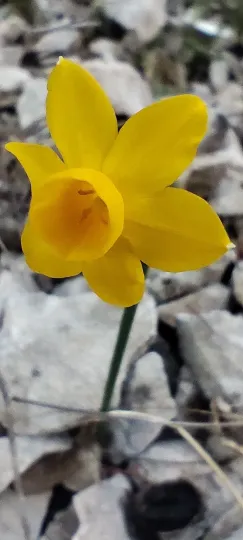
Description
Growing requirements
Narcissus cuatrecasasii is a charming bulbous perennial belonging to the Amaryllidaceae family. Native to the mountain regions of Spain, this species is highly valued for its compact size and delicate golden-yellow flowers.
The cultivation of this plant requires well-drained, porous soil to prevent bulb rot. It thrives best in rocky or sandy environments that mimic its natural habitat on calcareous slopes, ensuring excellent aeration for the roots.
Light requirements are strict: this narcissus demands full sun to thrive and bloom effectively. Planting it in shaded areas often leads to weak foliage and a complete lack of flowering during the spring season.
Temperature management involves ensuring a cool winter rest and a distinct dry summer phase. During the summer dormancy period, the bulbs must be kept relatively dry to prevent metabolic stress and rot induced by excess humidity.
In terms of usage, it serves as an excellent decorative choice for rock gardens, trough plantings, and alpine collections. Its small stature makes it suitable for tight spaces where larger daffodil varieties might appear disproportionate.
Main diseases and pests
The primary threats to Narcissus cuatrecasasii include fungal pathogens that cause basal rot, particularly in poorly drained soil. These pathogens can wipe out entire populations if the substrate remains saturated during dormancy.
Insect pests such as the narcissus fly pose a significant risk. The larvae burrow into the bulbs, causing severe structural damage that often goes unnoticed until the plant fails to emerge in the following spring.
Soil-borne nematodes can also jeopardize plant health by causing tissue necrosis and stunted growth. Infected bulbs usually show discolored, deformed foliage, which is a clear indicator that the plant should be removed.
Preventive care involves strict hygiene in the rock garden, including the removal of dead foliage and surrounding weeds. Providing adequate space between plants also improves airflow and reduces the buildup of humidity.
Applying protective fungicides to bulbs prior to planting is a highly recommended practice for amateur and professional growers alike. Regular monitoring during the growing season allows for early intervention against recurring infestations.