
Crossyne guttata
Crossyne guttata
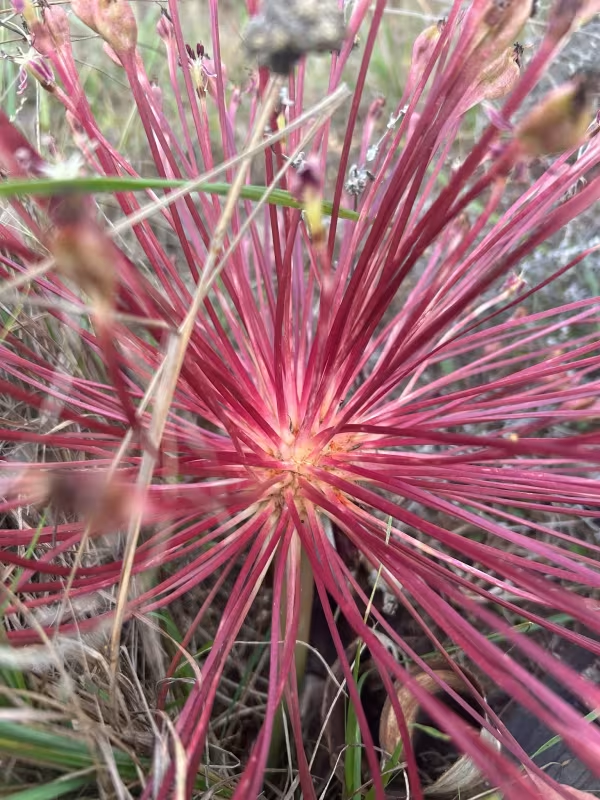
Description
Sowing dates
Crossyne guttata is a unique member of the Amaryllidaceae family, primarily propagated by seeds due to its slow multiplication through bulbs. Seeds should be sown immediately after harvest, as their viability decreases rapidly if stored for long periods.
Use a highly porous, mineral-based medium for sowing to prevent any risk of moisture retention. The substrate should consist mostly of coarse sand or grit, ensuring that the seed sits in a well-aerated environment that mimics its natural stony habitat.
Germination requires consistent temperatures between 18 and 22 degrees Celsius. During the initial growth phase, the seedlings are extremely fragile and sensitive to fluctuating moisture levels, requiring a delicate balance to avoid dehydration or damping-off.
Seedlings develop slowly, focusing energy on building a bulb rather than vegetative growth. It may take several years for a seedling to reach a size capable of producing its first blooms, necessitating patience and consistent care.
Repotting should be carried out with extreme caution to avoid damaging the root system. Use deep pots that allow for adequate root expansion while maintaining the integrity of the soil mix throughout the growing cycle.
Growing requirements
Native to the arid regions of South Africa, Crossyne guttata requires a specialized environment that replicates its natural ecological niche. This plant is perfectly adapted to harsh, dry summers and cool, moist winters.
Full sun exposure is a non-negotiable requirement for this species. Without intense light, the plant will struggle to produce its characteristic foliage and will fail to initiate the reproductive stage required for flowering.
The soil must be inorganic, sandy, and lean. Traditional potting mixes are unsuitable; instead, a mix of grit, perlite, and a small amount of sandy loam provides the drainage needed to keep the bulb healthy and prevent rot.
Watering is strictly seasonal. During the winter growing season, regular but moderate watering is necessary. Conversely, during the summer dormancy period, water must be withheld entirely to prevent the bulb from decaying.
Ventilation is key to preventing fungal issues. The plant thrives in an open environment where air movement is constant, preventing the buildup of humidity around the crown and the bulb neck.
Main diseases and pests
The most common threat to Crossyne guttata is basal rot, typically triggered by improper irrigation or poor drainage. Once fungal rot attacks the bulb, the prognosis is usually poor, making prevention the best defense.
Pests such as spider mites can thrive in the plant's favored arid conditions. These mites target the leaves, causing them to yellow and lose their vitality; systemic acaricides are recommended to manage these infestations effectively.
Mealybugs can often hide in the tight spaces between the succulent-like leaf bases. Periodic inspection is essential, as these pests can quickly multiply if left unchecked in a warm greenhouse environment.
Virus-related infections represent a significant concern for bulb growers. Symptoms often include distorted leaf growth and mottled patterns, which require the immediate isolation and destruction of the infected individual.
Maintenance of high hygiene standards, such as sterilizing tools and keeping the surrounding environment clean, significantly reduces the likelihood of pest outbreaks and disease transmission within your plant collection.