
Crinum viviparum
Crinum viviparum
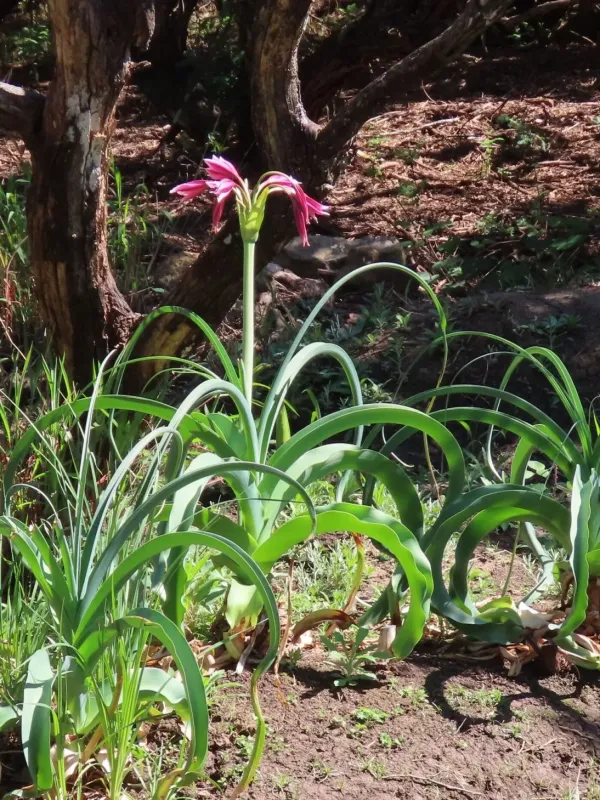
Description
Growing requirements
Crinum viviparum is a member of the Amaryllidaceae family, native to the tropical and subtropical regions of Asia. This perennial bulbous plant is known for its graceful foliage and unique reproductive habit.
The culture requires a well-drained, nutrient-rich soil medium with a neutral pH. In agricultural settings, it is essential to ensure that the potting mix or soil bed provides excellent aeration to prevent root rot.
Regarding climate, Crinum viviparum thrives in temperatures between 20°C and 27°C. It is a thermophilic plant that cannot tolerate frost, requiring immediate protection or indoor movement when temperatures drop significantly.
Lighting is a critical factor for successful growth; the plant needs bright, indirect light for at least six to eight hours a day. Excessive shade can lead to leggy growth and reduce the plant's overall vigor.
Watering practices should be adjusted according to the season. During the active growing period, the substrate should be kept consistently moist but never waterlogged; during the dormant winter phase, irrigation must be strictly minimized.
Main diseases and pests
Fungal pathogens such as Fusarium and bulb rot are the most common threats, typically triggered by improper irrigation practices and poor drainage in the growth medium.
Spider mites are prevalent in environments with low humidity, causing fine webbing and yellowing spots on the leaves, which significantly reduces the plant's photosynthetic capacity.
Mealybugs pose a persistent problem, as they hide within the leaf axils and are difficult to control without regular monitoring and the use of targeted systemic insecticides.
Scale insects can attach themselves to the foliage, consuming nutrients and causing weakened development, often leading to secondary fungal growth on the leaves.
Management of these pests requires a combination of cultural practices, such as ensuring adequate spacing between plants and maintaining optimal humidity levels to deter infestation.