
Crinum powellii
Crinum powellii
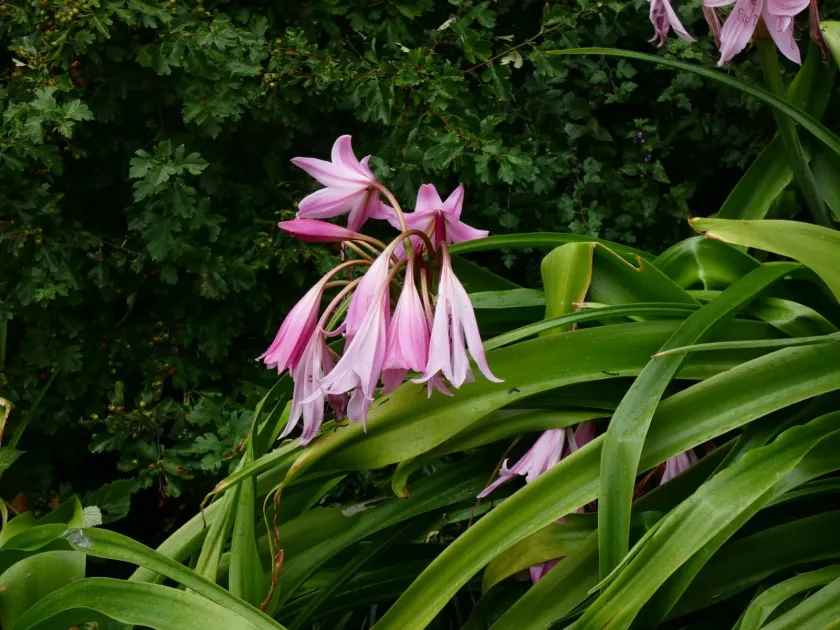
Description
Growing requirements
Crinum powellii is a robust hybrid bulbous perennial belonging to the Amaryllidaceae family. Originating from specific crosses between Crinum moorei and Crinum longifolium, this plant has gained popularity in professional landscaping for its large, fragrant trumpet-shaped flowers.
The species requires a climate with warm summers and well-defined light levels to stimulate the development of reproductive organs. It is typically suited for temperate to subtropical zones, where it is utilized as an ornamental crop in public and private gardens.
Soil requirements are strict: the plant prefers deep, well-draining, and nutrient-rich loamy soil. An optimal pH range between 6.0 and 7.0 is recommended for the best nutrient uptake. Poor drainage will inevitably lead to physiological stress and root rot.
Agronomic practices for this culture include consistent irrigation during the growth phase and the application of balanced NPK fertilizers. Once the bloom period concludes, the plant enters a period of dormancy, necessitating a drastic reduction in water supply.
Its primary use is in the horticulture sector, specifically for creating focal points in park borders, garden beds, or as a high-value potted plant for patio ornamentation. It is valued for its hardiness and reliable flowering cycle compared to other species in the genus.
Main diseases and pests
The most significant pathological threats to Crinum powellii include Stagonospora curtisii, commonly known as red blotch. This fungus manifests as reddish-brown spots on the leaves and scales of the bulb, often triggered by excessive humidity.
Pest pressures are primarily caused by bulb-feeding insects such as the narcissus fly larvae and various species of mites. These pests can cause internal tissue damage, leading to the rapid decline of the entire bulb structure and subsequent death of the plant.
Effective control strategies involve the use of systemic insecticides and regular inspection of the bulbs during the winter storage phase. Maintaining a dry and cool storage environment helps significantly in suppressing the spread of fungal pathogens.
Agricultural management of these threats requires the removal and destruction of infected tissue and the sterilization of gardening tools used during maintenance. Integrated pest management practices are essential to keep the crop healthy and productive.
Environmental management, including proper spacing and avoiding overhead irrigation, plays a crucial role in preventing moisture-dependent diseases. Monitoring leaf health throughout the active season allows for early intervention with approved fungicide applications.