
Astridia velutina
Astridia velutina
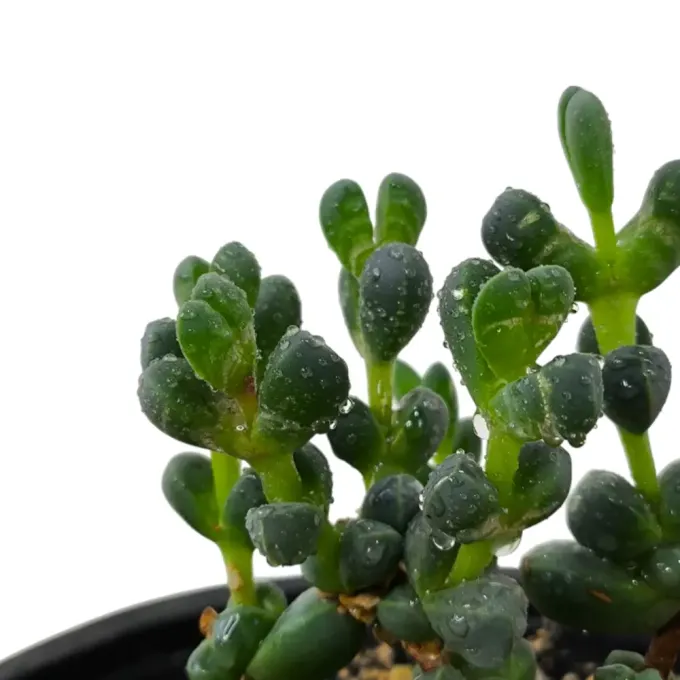
Description
Growing requirements
Astridia velutina is a distinct succulent belonging to the Aizoaceae family. Native to the harsh and arid landscapes of South Africa, this plant has evolved to survive in extreme environmental conditions with limited water availability.
The botanical structure includes thick, velvety-textured leaves which serve as reservoirs for water. These leaves are covered with fine trichomes, protecting the plant from high solar radiation and reducing the rate of transpiration.
The cultivation of this species requires high levels of solar exposure throughout the year. It thrives in well-drained, mineral-rich soils that mimic its natural rocky, sandy habitat in the wild, ensuring that roots never remain in waterlogged conditions.
Temperature management is critical for the health of Astridia velutina. It requires a significant difference between daytime and nighttime temperatures during the growing season, alongside a cool and strictly dry dormant period during the winter months.
As an ornamental plant, it is widely appreciated in private collections for its striking foliage and ephemeral, bright flowers. Its agricultural use is purely specialized, focusing on hobbyist gardening and the preservation of rare botanical species.
Main diseases and pests
The most common pests affecting this species are mealybugs, which settle in the crevices of the leaves, and red spider mites, which thrive in low-humidity greenhouse environments.
Root rot remains the primary threat to the longevity of the plant, usually triggered by improper watering schedules or poor soil aeration. Maintaining a strict dry winter rest period is the most effective preventative measure against fungal development.