
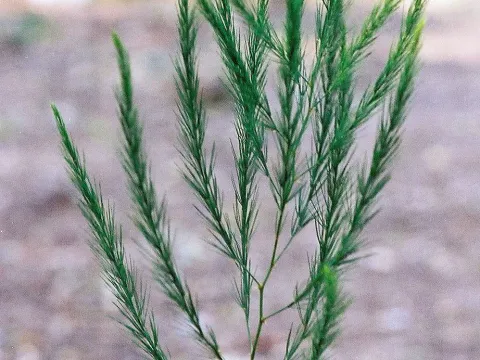
Asparagus flagellaris
Asparagus flagellaris
Propagation of Asparagus flagellaris is mainly achieved through seeds or by dividing the rootstock. The optimal sowing time is spring, when soil temperatures consistently reach 18–20 degrees Celsius.
What the section contains
Asparagus flagellaris
Seeds require scarification or long soaking in water before sowing due to their tough seed coat. Using a well-draining, light potting mix ensures that the fragile seedlings emerge successfully.
When using vegetative propagation, root sections should be carefully divided using sterilized tools to prevent infection. Each piece must have a growing point to ensure healthy future development.
Seedlings should be moved to individual pots once they reach a height of 5–10 centimeters. This practice promotes strong root development before they are planted in their final location.
Spacing is a critical factor for this species, as its characteristic vine-like shoots require enough air circulation to avoid fungal growth and ensure proper development.
Asparagus flagellaris belongs to the Asparagaceae family and is native to African tropical regions. The plant thrives in bright, indirect light and should be protected from harsh, direct sun exposure to avoid scorching its delicate leaves.
The culture requires a loose, humus-rich substrate with a neutral or slightly acidic pH. Proper drainage is essential to prevent the root system from sitting in stagnant water, which can be fatal for this plant.
High humidity is essential for maintaining the vibrant green color of its foliage. While the plant can tolerate occasional dry spells, regular watering is recommended to encourage robust growth during the season.
In terms of usage, this plant is primarily valued as an ornamental species. Its flexible, whip-like stems make it an excellent choice for hanging baskets, wall arrangements, and professional landscape design.
Fertilization should be applied only during the active growing phase. A balanced liquid fertilizer is typically used every two weeks throughout the spring and summer months to support rapid growth.
Spider mites are the most common pests, especially in environments with low air humidity. They can cause significant damage to the foliage by sucking nutrients from the plant's cells.
Root rot often occurs if the soil is too heavy or if watering is excessive. Once symptoms appear, it is vital to reduce irrigation and ensure the substrate is replaced with a better-draining mixture.
Powdery mildew can affect the plant if air circulation is poor, which is common in closed spaces or dense indoor arrangements. Pruning affected parts is the first step in management.
Mealybugs and scale insects may also infest the plant, usually clustering around the nodes of the stems. Insecticidal soaps or systemic treatments are effective ways to eliminate these invaders.
Overall plant health is best maintained by keeping the cultivation area clean and removing any dead foliage, which prevents the development of secondary bacterial or fungal infections.