
Asparagus Nelsii
Asparagus nelsii
Description
Sowing dates
Sowing of Asparagus Nelsii seeds is typically conducted in early spring, specifically in March or April, to provide a long growing season for the young plants.
Seeds should be soaked in lukewarm water for approximately 24 hours prior to planting to soften the tough outer shell and improve the germination rate significantly.
A loose, well-draining potting medium should be used, placing seeds at a depth of roughly 1 centimeter to ensure consistent moisture and temperature.
Maintaining a stable temperature of 20-22 degrees Celsius is crucial for the germination process, which can take several weeks to complete successfully.
Once seedlings have developed their first true leaves, they should be carefully transplanted into individual pots to avoid competition and promote healthy growth.
Growing requirements
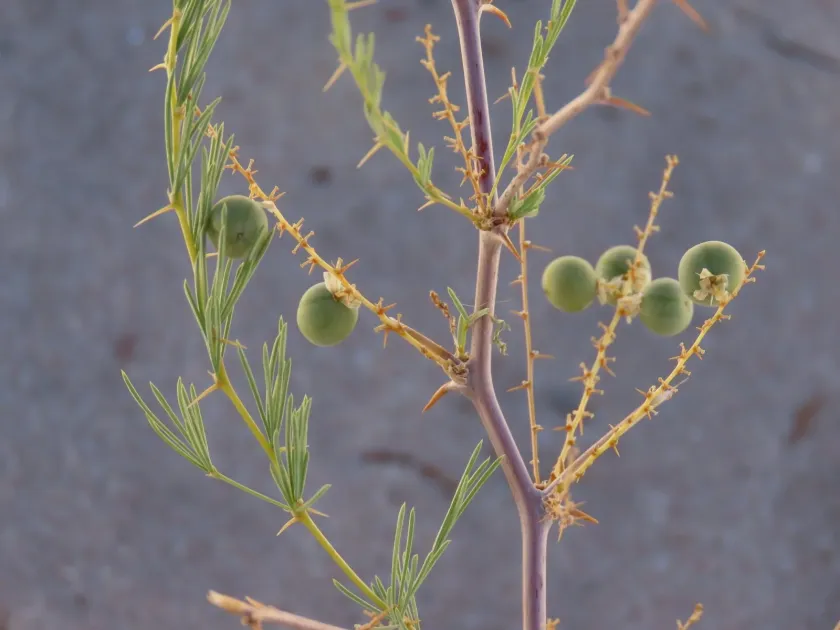
Asparagus Nelsii is a member of the Asparagaceae family, highly valued for its delicate, needle-like foliage and elegant, arching growth habit in interiors.
The plant thrives in bright, indirect light conditions, as direct sun exposure can easily scorch the foliage and cause it to turn yellow or brown prematurely.
Soil requirements focus on neutrality and excellent drainage; a mixture of loam, peat, and coarse sand is generally recommended for optimal root development.
Regular watering is essential during the active growing season, ensuring the soil remains moist but never waterlogged to prevent root system suffocation.
Monthly fertilization during spring and summer with a balanced liquid fertilizer supports the plant's structural integrity and keeps the foliage vibrant.
Main diseases and pests
Spider mites are the most common pests that attack Asparagus Nelsii, especially when the indoor environment is excessively dry and lacks proper air circulation.
Scale insects can also infest the stems, extracting sap and causing the plant to lose its characteristic vigor and drop its delicate leaves over time.
Root rot is a major threat often caused by improper drainage or overwatering, which creates an anaerobic environment favorable for fungal development.
Management of these threats involves frequent misting to discourage mites, alongside the application of insecticidal soaps or neem oil for direct control.
Preventative care, including periodic checks and maintaining clean surroundings, is the best strategy to keep the plant free from common pests and diseases.