
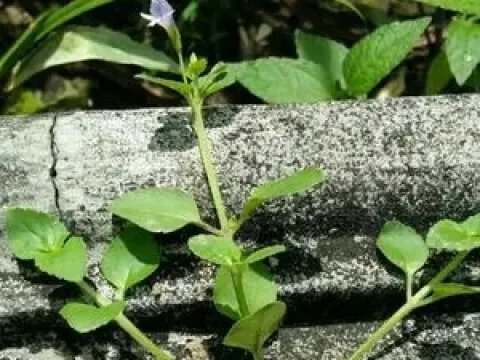
Vandellia
Vandellia
Vandellia seeds are very small and require a surface sowing technique to ensure proper germination and access to sunlight during the early stages.
What the section contains
 Indian pimpernel
Vandellia anagallis
Indian pimpernel
Vandellia anagallis
 Vandellia diffusa
Vandellia elata
Vandellia elata
Vandellia hookeri
Vandellia hookeri
Vandellia laotica
Vandellia laotica
Vandellia diffusa
Vandellia diffusa
Vandellia elata
Vandellia elata
Vandellia hookeri
Vandellia hookeri
Vandellia laotica
Vandellia laotica
 Vandellia micrantha
Vandellia multiflora
Vandellia multiflora
Vandellia micrantha
Vandellia micrantha
Vandellia multiflora
Vandellia multiflora
 Vandellia pusilla
Vandellia senegalensis
Vandellia senegalensis
Vandellia setulosa
Vandellia setulosa
Vandellia pusilla
Vandellia pusilla
Vandellia senegalensis
Vandellia senegalensis
Vandellia setulosa
Vandellia setulosa
 Vandellia viscosa
Vandellia viscosa
Vandellia viscosa
Vandellia
Starting seeds in trays indoors during late winter or early spring allows for better control over the environment and ensures healthy seedling development.
The substrate for sowing must be light, sterile, and moisture-retentive, typically consisting of a mix of peat and perlite or high-quality seed-starting soil.
Transplanting into the garden should only occur when temperatures have consistently stabilized and all risk of frost has passed in the spring.
Spacing is a critical factor for success; planting specimens at least 15–20 centimeters apart prevents overcrowding and promotes better air circulation.
Belonging to the Linderniaceae family, Vandellia thrives in environments that provide consistent moisture and well-drained, nutrient-rich soil.
The ideal location for this crop should be in full sun or light shade, ensuring that the plant is shielded from drying winds and harsh afternoon heat.
Soil pH should ideally be neutral to slightly acidic, as this allows the plant to efficiently absorb essential minerals for vigorous vegetative growth.
Consistent irrigation is vital, as the plant does not possess strong mechanisms to survive prolonged drought and will wilt rapidly if the soil dries out.
Regular mulching can help maintain soil moisture levels and provide an even temperature environment for the root system, which is crucial for overall health.
Excessive humidity combined with poor drainage frequently leads to root rot, which is one of the most common threats to the longevity of the plant.
Fungal infections such as powdery mildew can occur if there is insufficient air movement around the foliage, especially in dense planting conditions.
Pests like aphids and spider mites are known to infest the plant, particularly in sheltered or excessively dry environments where they can proliferate quickly.
Integrated pest management, including regular inspection and the use of insecticidal soaps, is recommended to keep pest populations at manageable levels.
Competition from fast-growing weeds can significantly stunt the growth of Vandellia; therefore, keeping the area clean is essential for optimal crop development.