
Vandellia micrantha
Vandellia micrantha
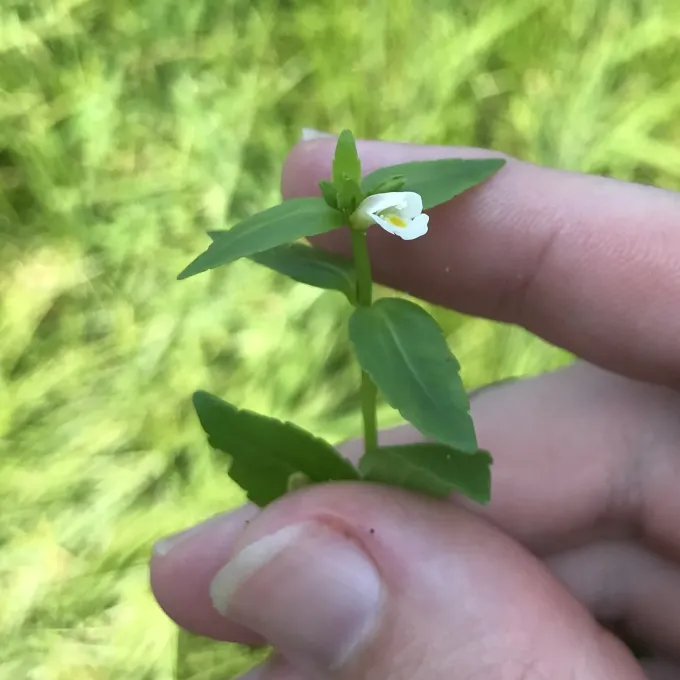
Description
Growing requirements
Vandellia micrantha is an annual herbaceous plant traditionally classified within the Scrophulariaceae family, though currently often grouped under Linderniaceae. This plant species is widely recognized for its preference for wetland and aquatic environments.
Originating from the tropical regions of Asia, the plant is frequently found in rice paddies and swampy areas. Its geographical distribution spans across various tropical territories where monsoon rains provide constant moisture.
Regarding soil requirements, the plant thrives in silt-rich, fertile soils that retain high levels of moisture. It shows optimal growth performance in conditions where nutrient cycling is rapid and the soil pH is kept slightly acidic.
Morphologically, it features delicate stems and small, insignificant flowers which are typical for the genus. The root system is fibrous and adapted for extraction of nutrients from saturated substrates.
Climatic requirements focus heavily on warm temperatures, generally requiring a stable range between 25°C and 32°C. Exposure to direct sunlight is essential for the photosynthesis and successful maturation of seeds.
Main diseases and pests
Fungal pathogens represent the most significant threat to the crop, particularly root rot caused by stagnant water conditions. Proper water management remains the primary defense strategy against these pathogens.
Common insect pests include lepidopteran larvae and various species of plant hoppers. These insects often feed on the foliage, significantly reducing the vigor of the plants if not treated early.
Weed competition is a constant factor in commercial fields. Because Vandellia micrantha shares environments with staple crops like rice, manual or selective chemical weeding is frequently required to ensure crop yield.
Leaf spot diseases, induced by bacterial infections, can occur during periods of excessive rainfall. These spots can lead to premature senescence of leaves, which negatively impacts the overall development of the plant.
Effective management strategies incorporate scouting and integrated pest management (IPM). Using disease-free seedlings and maintaining field hygiene are crucial for sustainable production of this botanical species.