
Vandellia viscosa
Vandellia viscosa
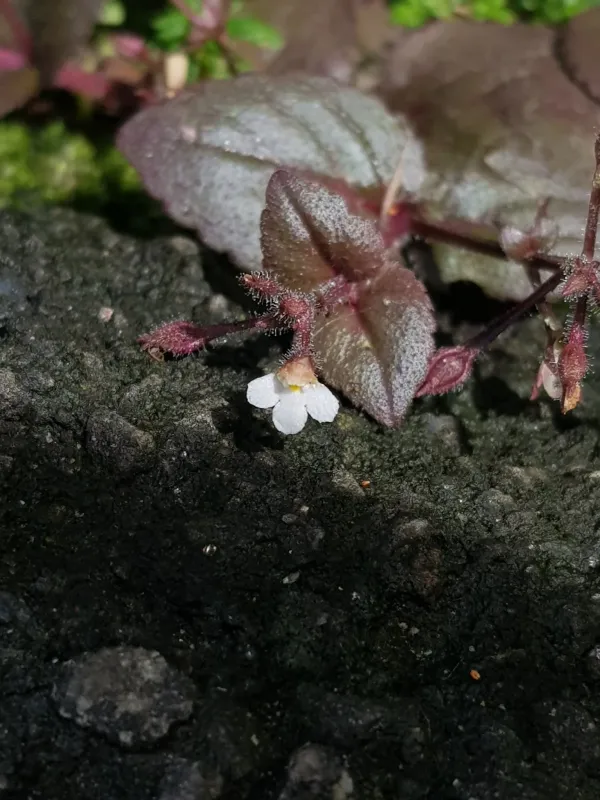
Description
Sowing dates
Vandellia viscosa is a warmth-loving crop that requires specific temperature conditions for successful germination. Sowing should only occur when soil temperatures consistently remain above +18°C to +20°C to ensure uniform seedling emergence.
Seeds are known to be light-sensitive, which necessitates a shallow sowing method. Covering them too deeply with soil will prevent germination, as the seeds require direct light exposure to activate their developmental processes.
For greenhouse cultivation, starting in late winter allows for a longer vegetative phase. Maintaining high humidity is critical during the initial germination stage, usually achieved through the use of propagation covers or plastic tunnels.
Spacing is a vital component of the sowing plan, with a recommended density of approximately 15–20 plants per square meter. Proper spacing allows for adequate airflow, which is essential to minimize the risk of fungal infections.
Consistent moisture management during the first two weeks post-sowing is the most critical factor. The soil surface must not be allowed to dry out, as the small seeds are highly susceptible to desiccation in the early growth stages.
Growing requirements
Belonging to the Linderniaceae family, Vandellia viscosa thrives in nutrient-rich, moist soils. The plant prefers a slightly acidic environment with a pH range between 6.0 and 6.5, which optimizes the bioavailability of essential minerals.
This crop has a high demand for both soil moisture and ambient humidity. Native to regions where water is abundant, the plant shows signs of physiological stress if exposed to prolonged dry spells or low-humidity conditions.
Light requirements are best met in bright, indirect sunlight. Intense, scorching afternoon sun can damage the foliage, so many successful growers utilize light shading systems, especially in hotter geographical zones.
An ideal temperature range for active growth is between +22°C and +26°C. Temperatures that fall below +12°C can severely stunt growth and lead to the premature lignification of the stems, impacting overall crop quality.
Effective drainage is non-negotiable for this species. Despite the plant's love for water, stagnant conditions in the root zone quickly lead to root rot and anaerobic soil conditions, which are fatal to the crop.
Yield
The yield of Vandellia viscosa is largely dictated by the quality of irrigation and nutrition management. Under intensive cultivation, growers can expect high biomass production, particularly when organic fertilizers are applied regularly.
The primary economic value of this crop is linked to its biochemical profile. Harvesting should be timed to coincide with the early flowering stage, as this is when the concentration of the plant's active compounds is at its peak.
Efficient post-harvest processing is required to preserve the quality of the raw material. Drying should be carried out at low, controlled temperatures to avoid the degradation of essential oils and other thermolabile compounds.
In optimal climatic conditions, some growers manage multiple harvests per season. This intensive approach requires robust soil fertility replenishment between cycles to maintain yield consistency and prevent nutrient depletion.
Standardized yields can vary based on regional environmental factors. Utilizing growth stimulants and precision irrigation can help to mitigate the impact of climate-driven stress on the final production output.
Main diseases and pests
Root rot, primarily caused by Pythium and Rhizoctonia species, is the most significant threat to Vandellia viscosa crops. These pathogens thrive in waterlogged soil conditions and are difficult to eradicate once established.
Pests such as spider mites and whiteflies are common in greenhouse environments. These insects can reproduce rapidly, requiring a proactive monitoring schedule and the use of integrated pest management (IPM) strategies.
Powdery mildew is a frequent concern when humidity levels are high but ventilation is poor. The presence of a white powdery coating on leaves is an early indicator that airflow must be improved immediately.
Crop rotation is an essential preventive practice to break the life cycles of soil-borne pathogens. Planting in the same location year after year significantly increases the probability of severe disease outbreaks.
Chemical control measures should be applied sparingly, given the plant's use in sensitive industries. Emphasis is placed on biological control methods and maintaining high hygiene standards within the growing facility.