
Vandellia diffusa
Vandellia diffusa
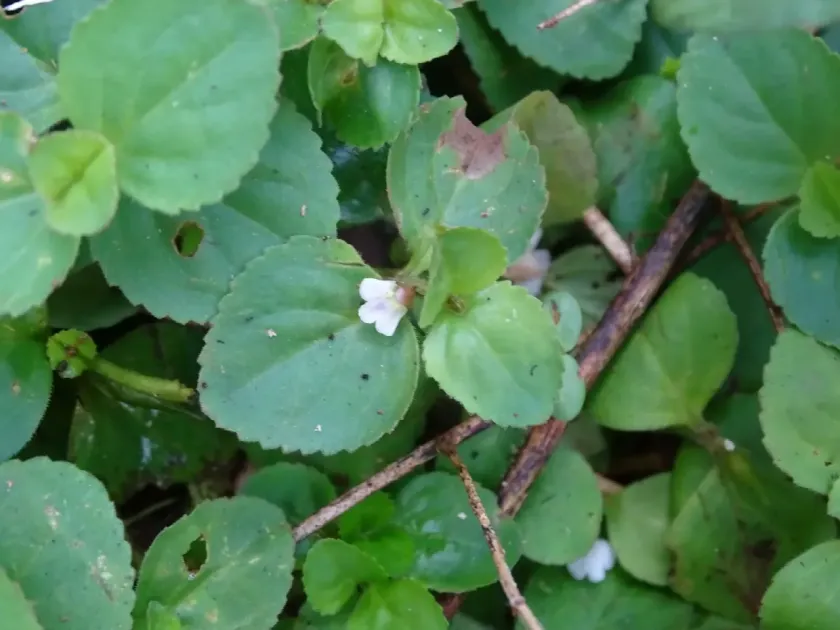
Description
Growing requirements
Vandellia diffusa is a distinct herbaceous plant belonging to the Linderniaceae family. It is known for its diffuse, spreading growth habit, which allows it to thrive in moist and shaded environments typical of tropical ecosystems.
The plant originates from tropical regions and prefers habitats characterized by consistently high humidity and warm temperatures. In controlled agricultural settings, it requires a stable environment to prevent physiological stress caused by moisture fluctuations.
Soil requirements for optimal growth include a nutrient-rich, well-drained substrate with a high content of organic matter. The pH level should be maintained in the slightly acidic to neutral range to ensure the bioavailability of essential mineral nutrients.
Climate control is paramount for this species, as it requires constant temperatures between 22 and 28 degrees Celsius. Cultivation is generally restricted to greenhouses or indoor environments in temperate zones to simulate its natural tropical habitat.
The primary agricultural and horticultural use of Vandellia diffusa includes its application as a ground cover in tropical landscape designs and its role as a subject for pharmaceutical studies regarding its bioactive compounds.
Main diseases and pests
The main pathological threats to Vandellia diffusa involve fungal infections triggered by excessive soil moisture and poor airflow. Pythium and Phytophthora species are commonly associated with root rot in this plant.
Powdery mildew represents a significant risk to foliage health when greenhouse humidity levels are imbalanced. Effective management includes improving ventilation and applying preventive antifungal treatments during the early stages of infection.
Spider mites constitute a primary pest threat, especially in low-humidity conditions. These mites can quickly decimate leaf tissue, leading to a significant loss of biomass and potential plant death if not controlled early.
Whiteflies are another common pest in protected cropping environments, requiring integrated pest management strategies. Using yellow sticky traps and horticultural oils can help mitigate population spikes without excessive chemical use.
Maintaining high hygiene standards in the cultivation area is crucial to prevent the spread of diseases. This includes regular sanitization of tools and pots, as well as the immediate isolation of any plants showing signs of infestation or decay.