
Vandellia pusilla
Vandellia pusilla
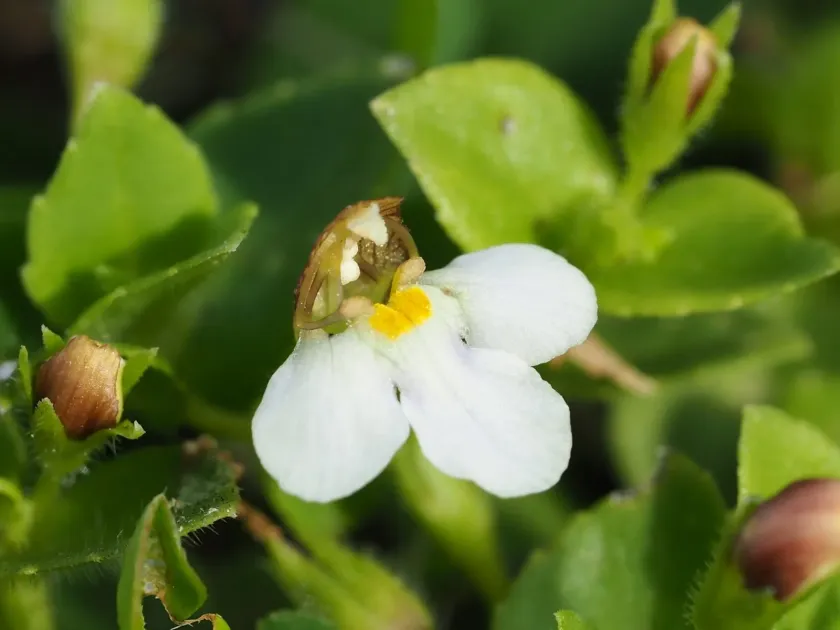
Description
Growing requirements
Vandellia pusilla is a small herbaceous plant belonging to the Scrophulariaceae family. It is predominantly found in tropical and subtropical regions, where it thrives in moist environments.
The plant is categorized as an annual herb. Its natural range includes parts of South and Southeast Asia, where it is often associated with humid lowlands and wetland areas.
For successful growth, this species requires nutrient-rich, well-draining soil with consistent moisture levels. It is particularly sensitive to direct solar radiation without adequate moisture, making partial shade an ideal condition.
The optimal temperature range for the development of this species is between 22 and 28 degrees Celsius. Stability in temperature is crucial for ensuring uniform germination and subsequent biomass accumulation.
While not a primary commodity crop, Vandellia pusilla is documented for its use in traditional practices and remains a subject of botanical interest due to its specific ecological adaptations.
Main diseases and pests
Fungal diseases related to excessive soil and air humidity are the primary threats to the healthy growth of Vandellia pusilla.
Pests such as root-knot nematodes can severely compromise the plant's nutrient uptake, leading to stunting and premature death.
Maintaining adequate spacing between plants is essential to ensure proper air circulation and reduce the incidence of powdery mildew and other foliar infections.
Integrated pest management strategies should be applied to keep populations of herbivorous insects under control during the sensitive stages of growth.
Regular sanitation of the growing environment, including the removal of decaying plant debris, is recommended to prevent the buildup of soil-borne pathogens.