
Indian pimpernel
Vandellia anagallis
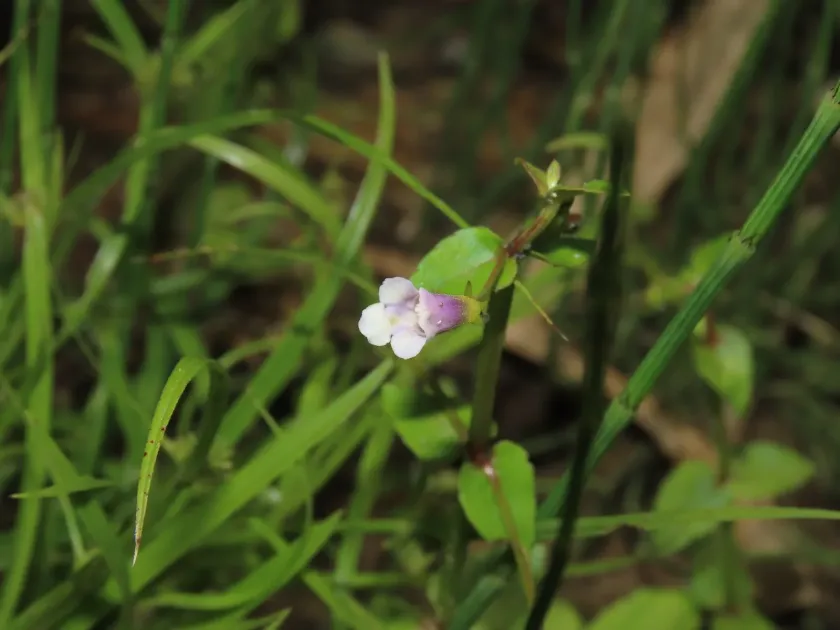
Description
Sowing dates
The Indian pimpernel is a plant that thrives in humid environments, usually propagating through seeds sown in damp, well-prepared soil substrates.
The optimal sowing period begins in late spring, ensuring that the soil and water temperatures remain warm enough to support rapid germination.
Because the seeds are exceptionally small, they must be sown superficially; burying them too deep will significantly reduce the germination rate.
Maintaining consistent moisture levels is vital, as the delicate seeds require constant hydration to initiate the biological processes of development.
In natural habitats, the species demonstrates robust self-seeding capabilities, quickly colonizing irrigation channels and marshy agricultural edges.
Growing requirements
Vandellia anagallis belongs to the Linderniaceae family and is strictly adapted to tropical and subtropical climates with high humidity levels.
The ideal soil composition for this crop includes silt, sand, or loam, which can retain the high water content required for the plant to flourish.
Sunlight exposure is essential for this species, as it requires bright conditions to support its intensive flowering and seed production cycles.
The plant demonstrates a remarkable tolerance to waterlogging, making it a suitable candidate for wetlands or areas with significant water management challenges.
To achieve high productivity, growers should monitor the soil nutrient profile, ensuring that essential minerals are available for continuous vegetative growth.
Main diseases and pests
Root rot and fungal pathogens pose the most significant threat to the crop, especially when stagnant water conditions are combined with cool temperatures.
Pests such as gastropods (snails and slugs) often target the succulent foliage, potentially devastating young patches of the plant during the early stages.
In certain agricultural settings, such as rice paddies, the Indian pimpernel can act as an invasive weed, competing for resources with primary food crops.
Lack of proper aeration between plants can lead to the rapid spread of diseases, making plant spacing a crucial aspect of professional agricultural planning.
Integrated pest management strategies are recommended, including the use of targeted biological controls and careful field monitoring during the wet season.