

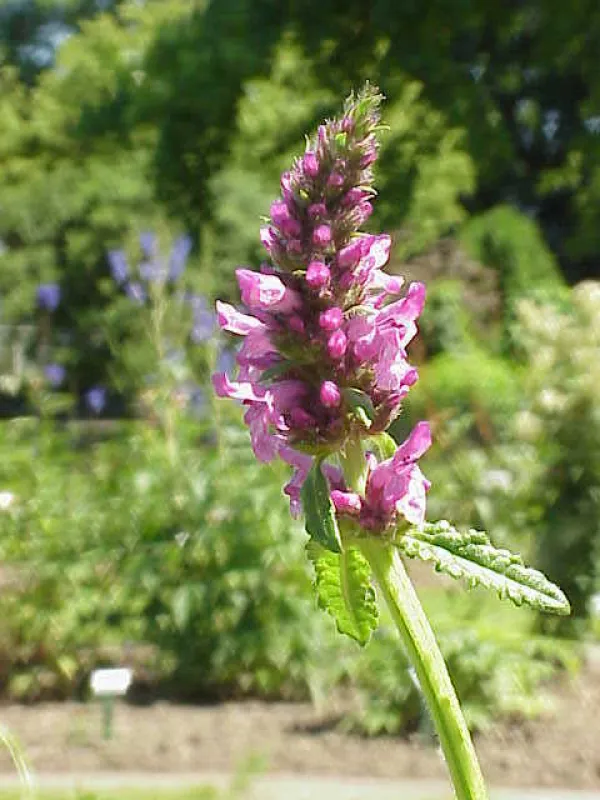
Description
Sowing dates
Crosne is typically planted in early spring once the soil warms up to 5-8 degrees Celsius, or in late autumn before the ground freezes.
Small tubers are used as planting material, which maintain high viability even when planted at shallow depths in the soil.
The planting depth should be approximately 6-8 centimeters, depending on the soil texture and the organic content of the plot.
Plants should be spaced 25-30 centimeters apart within rows, with 45-60 centimeter wide row middles to facilitate cultivation and weeding.
To speed up germination, tubers can be soaked in growth-promoting solutions for 24 hours prior to planting to ensure even emergence.
Growing requirements
The plant belongs to the Lamiaceae family and is an herbaceous perennial typically grown as an annual or biennial vegetable crop.
Crosne prefers sunny locations but can tolerate partial shade in hotter southern regions during the peak of the growing season.
Soils should be loose, well-structured, and moisture-retentive, though the crop is highly sensitive to waterlogging in the root zone.
The optimal pH range for successful development is between 6.0 and 7.0, favoring slightly acidic to neutral soil conditions.
The plant is known for its cold hardiness, allowing tubers to overwinter in the soil across most temperate climate zones.
Yield
Yields are highly dependent on soil fertility and management practices, typically ranging from 1 to 2 kilograms per square meter.
Individual tuber weight varies from 2 to 10 grams, with market quality heavily influenced by consistent irrigation during the tuber formation phase.
To maximize commercial yields, earthing up or hilling the plants in mid-summer is recommended to encourage stolon development.
Balanced application of organic fertilizers significantly improves the density of the tuber cluster and increases final mass before harvest.
Commercial harvesting requires specialized machinery or careful manual extraction due to the fragile nature of the spiraled tubers.
Main diseases and pests
Wireworms are the primary soil-borne pest of crosne, causing damage to the delicate tubers and rendering them unsuitable for market.
Under conditions of high humidity and poor airflow due to dense planting, the crop is susceptible to fungal infections like powdery mildew.
Leaf-feeding pests, including aphids, can reduce the plant's overall photosynthetic activity and decrease the final tuber size.
Strict crop rotation practices are necessary to prevent the buildup of soil pathogens, avoiding the same field for at least three years.
Using certified, disease-free planting material is the most effective strategy for preventing the spread of viruses that inhibit vigor.
Harvesting
Harvesting usually takes place in October or November, once the aerial parts of the plant begin to wither following the first autumn frost.
Producers often leave a portion of the harvest in the ground until demand arises, as the tubers remain fresh in cold soil.
Extreme care must be taken during excavation because the distinct spiral shape of the tubers makes them prone to breaking under mechanical stress.
After collection, tubers should be cleaned of soil, dried in a shaded area, and stored in cool conditions, preferably packed in sand or sawdust.
Crosne is highly valued in gastronomy and can be boiled, fried, pickled, or consumed raw in various salad preparations.
Content graph
Connections · Crosne
Most often together:
Marketplace

