
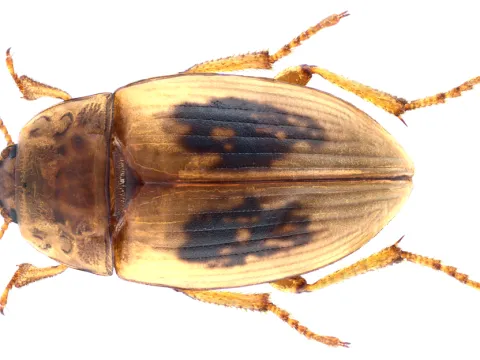
Phaleria
Phaleria
Phaleria is a genus of tropical shrubs and trees belonging to the Thymelaeaceae family, native primarily to the tropical regions of Southeast Asia and Australia.
What the section contains


Phaleria
This crop thrives in hot and humid climatic conditions, which are essential for maintaining the high metabolic rate required for its vigorous growth and flowering.
Cultivation requires well-drained, nutrient-rich soil, preferably with high organic content, which ensures optimal aeration and moisture retention for the root system.
While Phaleria is relatively adaptable to various lighting conditions, it prefers bright, filtered sunlight to prevent leaf damage and maintain strong structural development.
Effective agricultural management of this crop involves protecting plants from sudden cold snaps or frost, as they are strictly tropical and do not possess tolerance to low temperatures.
The primary agricultural utility of Phaleria involves the harvesting of its leaves and fruits, which are processed for use in traditional medicine and pharmaceutical research.
Yield capacity is highly dependent on effective irrigation scheduling and consistent nutrient management, specifically focusing on nitrogen and potassium levels during the growing phase.
In well-managed commercial plantations, the plant can produce multiple harvests per season due to its evergreen and continuous growth nature in appropriate climates.
Productivity is maximized through strategic pruning practices that encourage lateral branching and increase the surface area for potential fruit production.
Monitoring the chemical quality of the harvested parts is critical, as the content of bioactive compounds can fluctuate based on soil composition and environmental stress factors.
Phaleria is susceptible to several fungal diseases that thrive in high humidity, potentially causing root rot or foliar blight if soil drainage is insufficient.
Pest pressure from insects such as scale insects and aphids can significantly hinder the plant's health by removing vital plant fluids and promoting sooty mold development.
Effective disease management strategy involves maintaining optimal plant spacing to promote airflow, thereby reducing the localized humidity that favors fungal growth.
Regular surveillance of the canopy is recommended to identify infestations at an early stage, allowing for targeted interventions rather than widespread chemical use.
- Integrated pest management utilizing natural predators.
- Sanitation measures to remove infested or diseased plant matter.
- Soil moisture control to prevent stagnant water in the root zone.