
Phaleria perrotetiana
Phaleria perrotetiana
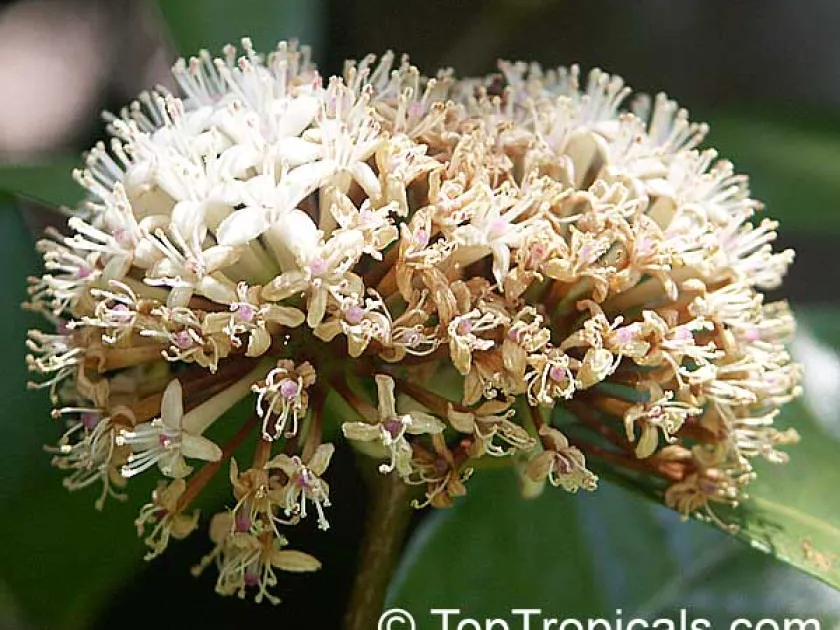
Description
Growing requirements
Phaleria perrotetiana is a botanical species belonging to the Thymelaeaceae family, native to tropical environments characterized by high humidity and consistent temperatures throughout the year.
Successful cultivation of this species requires well-draining, nutrient-rich soils that mimic the forest floor composition, typically characterized by high organic matter content and excellent aeration.
Environmental conditions must be carefully managed to avoid temperature drops below the tropical baseline, as the plant is highly sensitive to cold stress, which can lead to permanent damage.
Adequate light management is crucial; while the plant thrives in bright environments, direct exposure to harsh sun should be avoided to prevent foliar damage and transpiration imbalance.
Maintenance involves regular irrigation schedules that keep the substrate moist but not waterlogged, ensuring that excess water is efficiently drained to prevent root suffocation.
Main diseases and pests
The plant is susceptible to various fungal pathogens that typically thrive in overly humid environments, particularly those affecting the root systems when drainage is insufficient.
Common pests include spider mites and mealybugs, which are notorious for infesting tropical plants in greenhouse settings, especially when airflow is restricted.
Integrated pest management strategies should be employed, focusing on early detection through frequent scouting of the underside of leaves and stems for early signs of infestation.
Root rot is the most common threat and is often an indicator of over-irrigation or the use of heavy, compacted soil types that prevent proper gas exchange in the soil profile.
Proactive cleaning of the growing area and the use of sterile tools during pruning are essential practices to minimize the spread of viral and bacterial diseases among the crops.