
Phaleria capitata
Phaleria capitata
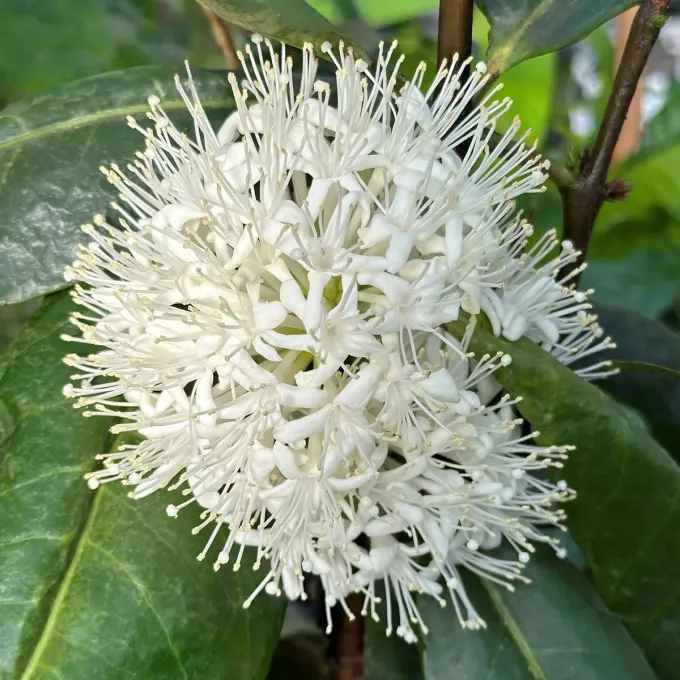
Description
Sowing dates
Phaleria capitata is an evergreen tropical shrub or small tree belonging to the Thymelaeaceae family. It is known for its fragrant flowers and decorative fruit, often cultivated in specific climates for medicinal purposes.
Propagation is primarily achieved through fresh seeds, which require immediate sowing after maturation due to their short viability. The sowing medium should be porous and rich in organic matter to facilitate healthy root development.
Vegetative propagation via semi-hardwood cuttings is a preferred method for maintaining the genetic integrity of specific high-yielding cultivars. Cuttings are treated with rooting hormones and maintained in high-humidity environments.
Proper nursery management is essential for the early stages of growth, ensuring that seedlings are protected from direct wind and temperature fluctuations that might stall their establishment.
Transplanting into the permanent field site should be performed during the onset of the rainy season to minimize water stress and help the plants acclimate to the local soil composition.
Growing requirements
The plant thrives in fertile, well-draining soils with a slightly acidic to neutral pH. Avoid waterlogged areas as they significantly increase the risk of root pathogens and eventual plant collapse.
Phaleria capitata requires filtered sunlight. While it can handle bright light, protection from intense mid-day tropical sun is necessary to prevent leaf scorching and excessive transpiration.
Climate requirements include constant warm temperatures, ideally between 20°C and 32°C. Frost is lethal to this species, making it suitable only for tropical or strictly controlled greenhouse conditions.
Maintenance of high ambient humidity is crucial for optimal growth. Regular misting or the use of irrigation systems helps simulate the natural tropical habitat of the plant.
Fertilization should be performed using balanced fertilizers enriched with micronutrients. It is important to avoid excessive nitrogen, which might stimulate lush vegetative growth at the expense of fruit production.
Yield
Economic use of Phaleria capitata centers on its pharmacological potential. The fruits and leaves contain unique compounds that are highly valued in traditional and modern herbal medicine.
The yield is typically determined by the density of the planting and the age of the shrubs. Mature trees are capable of consistent fruit production when provided with adequate light and nutrients.
Harvesting is performed manually to ensure only fully mature fruits are collected. This selective harvesting approach minimizes damage to the shrub's delicate branch structure and promotes ongoing health.
Post-harvest handling is critical to quality. Fruits must be dried under controlled conditions to stabilize the active phytochemicals, ensuring the product meets industry standards for pharmaceutical extraction.
Ongoing plantation management, including selective pruning and nutrient balancing, helps to maximize annual yields and extends the productive lifespan of the plants.
Main diseases and pests
Root rot caused by stagnant water is the most significant agronomic threat. Proper soil preparation, including deep tilling and drainage installation, is the most effective preventative measure.
Pests such as scale insects and spider mites frequently affect the plant, particularly in sheltered or indoor environments where air circulation may be limited.
Leaf-eating insects can cause significant damage to young foliage. Integrated pest management strategies, utilizing both biological controls and targeted insecticides, are recommended.
Viral infections manifest as mosaic patterns or leaf curling, which can severely impact the plant's vigor. Strict sanitation protocols and the removal of infected plants are essential to prevent outbreaks.
Regular monitoring for early signs of disease is a cornerstone of successfully managing Phaleria capitata. Pruning helps to maintain airflow through the canopy, reducing the likelihood of fungal colonization.