
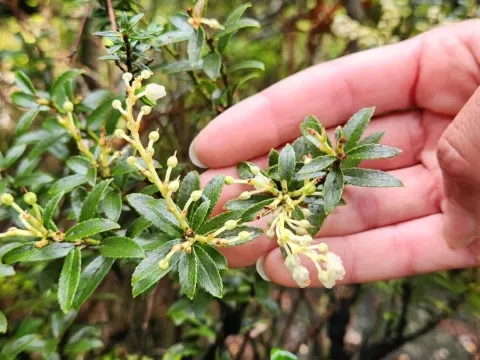
Pernettya
Pernettya
Pernettya, now widely classified as a species within the genus Gaultheria, belongs to the Ericaceae family. It is an evergreen ornamental shrub recognized for its vibrant, long-lasting berries that decorate the branches throughout autumn and winter.
What the section contains
 Dwarf Pernettya
Pernettya nana
Pernettya buxifolia
Pernettya buxifolia
Dwarf Pernettya
Pernettya nana
Pernettya buxifolia
Pernettya buxifolia
 Pernettya ciliata
Pernettya furens
Pernettya furens
Pernettya ciliata
Pernettya ciliata
Pernettya furens
Pernettya furens
 Pernettya lanceolata
Pernettya leucocarpa
Pernettya leucocarpa
Pernettya lanceolata
Pernettya lanceolata
Pernettya leucocarpa
Pernettya leucocarpa
 Pernettya macrostigma
Pernettya prostrata
Pernettya prostrata
Pernettya macrostigma
Pernettya macrostigma
Pernettya prostrata
Pernettya prostrata
 Pernettya pumila
Pernettya pumila
Pernettya pumila
 Tasmanian pernettya
Pernettya tasmanica
Tasmanian pernettya
Pernettya tasmanica
Pernettya
The natural habitat of this plant includes regions with moderate climates, primarily across Central and South America. In cultivation, it is highly valued for its compact growth habit and exceptional visual appeal during the dormant season.
For successful development, the crop requires acidic, well-draining, and humus-rich soils. The plant is extremely sensitive to lime, making it essential to ensure that soil pH levels remain within the 4.5–5.5 range at all times.
Pernettya prefers locations with partial shade or filtered sunlight. Direct exposure to intense afternoon sun can cause leaf scorch, while dense shade significantly reduces the abundance of fruit production.
The culture requires consistent moisture but is intolerant of waterlogged roots. Watering should be regular, especially during dry spells, using soft or slightly acidified water to maintain the necessary soil environment.
Phytophthora root rot is the most significant threat to Pernettya, usually triggered by excessive moisture and poor soil aeration. Preventive measures include strict irrigation management and the application of systemic fungicides when necessary.
Under greenhouse conditions or poor air circulation, the shrub may be susceptible to powdery mildew. Effective control involves the use of sulfur-based fungicides and ensuring adequate spacing between individual plants.
Common pests include spider mites and scale insects, which feed on the sap of young shoots. Regular inspection of the undersides of leaves is crucial for detecting infestations early before they cause significant damage.
Root rot often occurs when planting in heavy clay soils that lack proper drainage. Incorporating organic matter, such as peat moss, into the planting site helps maintain the required soil texture and breathability.
The overall resistance of the plant depends heavily on proper maintenance and the stabilization of soil pH. When growing conditions are suboptimal, the shrub loses its decorative appeal and becomes prone to secondary infections.