
Pernettya macrostigma
Pernettya macrostigma
Description
Growing requirements
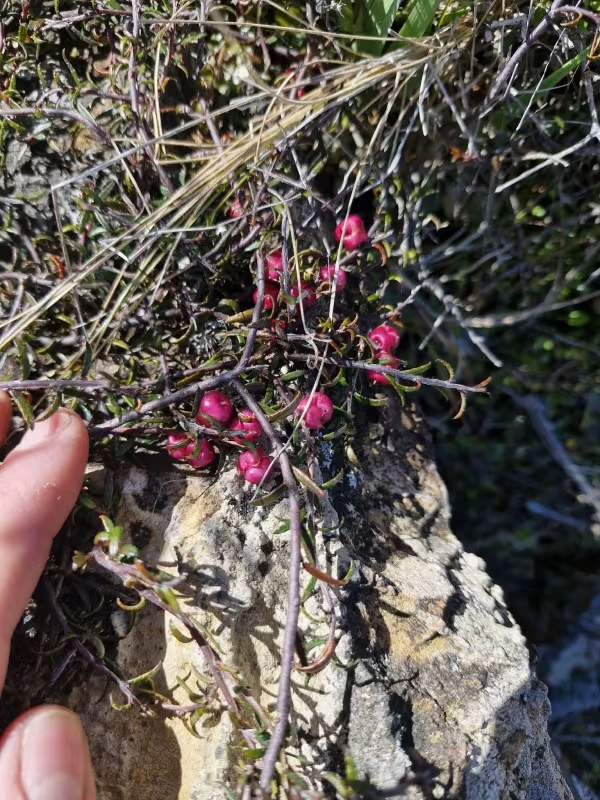
Pernettya macrostigma is a compact, low-growing evergreen shrub belonging to the Ericaceae family. Known for its small, dense foliage and distinctive, persistent berries, it is a popular choice for rock gardens and specialized shrub borders.
Native to the alpine regions of New Zealand, this plant has evolved to thrive in cool, moist, and well-drained environments. It exhibits a high degree of hardiness, provided that its specific requirements for soil chemistry and drainage are meticulously met.
The plant requires acidic, humus-rich, and well-aerated soil. It is notoriously intolerant of waterlogged conditions, which can lead to rapid root decline. Gardeners often incorporate peat or specialized compost mixes to maintain the low pH levels essential for optimal growth.
In terms of climate, Pernettya macrostigma prefers cool summers and consistent moisture. Exposure to harsh, drying winds or intense, direct afternoon heat should be minimized. Providing a layer of organic mulch helps retain soil moisture and stabilizes root temperatures throughout the year.
Cultural practices include watering with soft or rainwater, as chlorine and minerals in tap water can alter soil pH levels over time. Fertilization should be restricted to specific ericaceous formulations, applied during the active growth phase in late spring.
Main diseases and pests
Primary threats to Pernettya macrostigma are fungal infections, particularly Phytophthora root rot, usually triggered by poor drainage. Preventing the accumulation of standing water is the most effective defense strategy for maintaining plant health.
Pest issues include typical greenhouse or garden visitors like spider mites and scale insects, which favor the sheltered environment under dense foliage. Regular monitoring and integrated pest management practices are recommended to prevent infestations and maintain aesthetic value.