
Pernettya ciliata
Pernettya ciliata
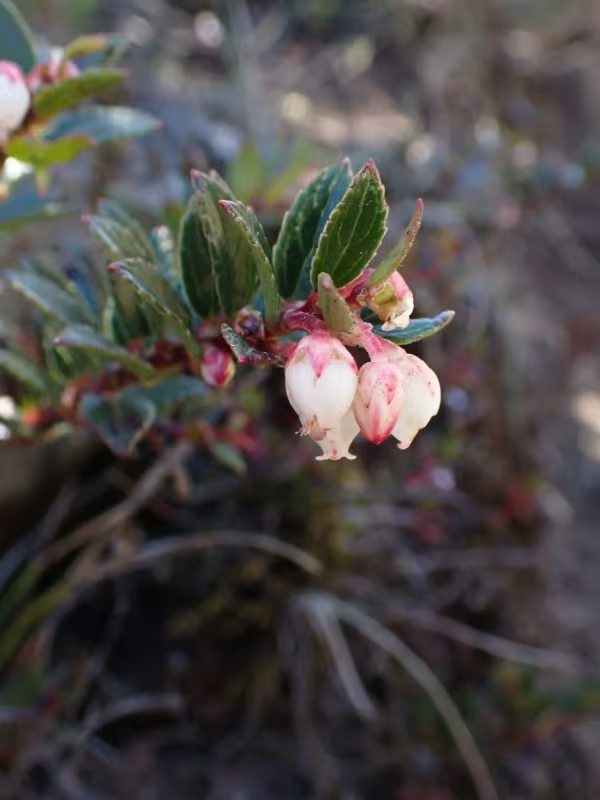
Description
Growing requirements
Pernettya ciliata is a distinctive evergreen shrub belonging to the Ericaceae family. Originating from the mountainous regions of Central and South America, it thrives in cool, humid environments that mimic its natural habitat.
The plant demands acidic, well-draining soil rich in organic matter to flourish. It is strictly calcifuge, meaning it cannot tolerate alkaline conditions; therefore, providing an acidic medium is a prerequisite for successful establishment.
In terms of climate, Pernettya ciliata prefers temperate conditions with moderate light exposure. While it requires moisture, it does not tolerate waterlogged ground, making a well-structured drainage system essential in garden beds or containers.
Maintenance practices focus on maintaining soil acidity and moisture levels. Applying mulch, such as peat moss or pine needles, helps regulate root temperature and preserve the necessary pH balance, while irrigation should always be performed with soft, non-alkaline water.
This species is primarily utilized for ornamental purposes. Its aesthetic value lies in its small, leathery leaves and eye-catching fruit, which make it a popular choice for heath gardens, rockeries, and winter-interest landscaping projects.
Main diseases and pests
Root rot is the most significant threat to Pernettya ciliata, typically caused by poor drainage or overwatering. Once established, the fungus can rapidly destroy the root system, often resulting in sudden plant decline.
Leaf spot diseases, caused by various fungal pathogens, may occur in crowded plantings with inadequate airflow. Improving plant spacing and ensuring good air circulation are critical cultural practices to minimize fungal pressure.
Pests such as scale insects and spider mites are known to infest the plant, particularly in sheltered or dry conditions. These pests feed on plant sap and can cause leaf yellowing and stunted growth if not managed promptly.
Early detection through regular inspection is vital. If infestations are minor, physical removal or neem-based sprays can be effective, whereas heavy infestations may require targeted systemic insecticides suitable for Ericaceae.
Maintaining vigorous plant health through correct soil management and proper watering minimizes the susceptibility of Pernettya ciliata to both pests and diseases, ensuring a long-lasting presence in the landscape.