
Pernettya leucocarpa
Pernettya leucocarpa
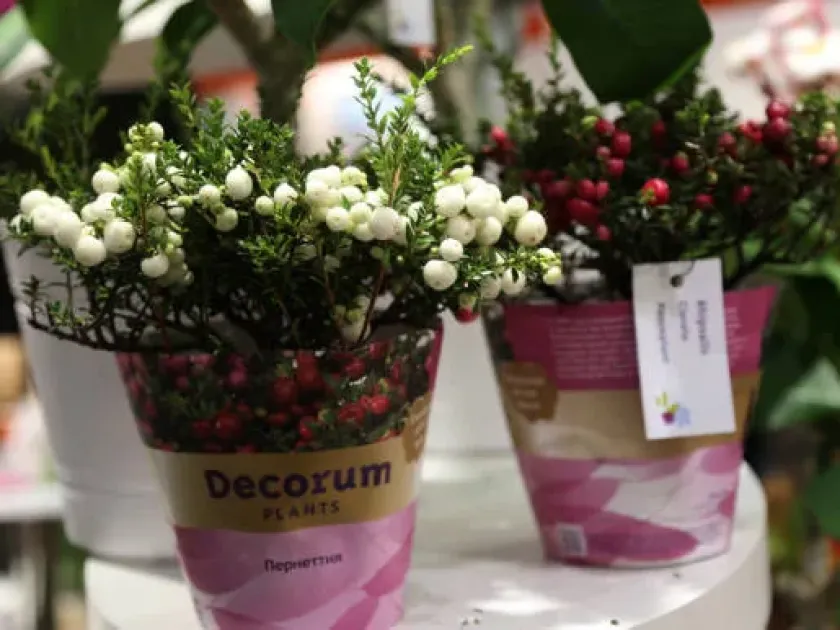
Description
Sowing dates
Propagation of Pernettya leucocarpa is typically achieved through seeds or stem cuttings. Seeds require a cold stratification period to break dormancy and should be sown in a sterile, acidic medium during late winter.
Maintaining consistent moisture is critical for seed germination. The seed trays should be kept in a cool, bright location, ideally with temperatures between 18°C and 20°C, and covered to retain humidity.
Stem cuttings are best taken in mid-summer when the growth has begun to firm up. Using semi-hardwood cuttings increases the success rate, especially when dipped in rooting hormone and placed in a well-aerated propagation mix.
Once rooted, young plants should be gradually acclimatized to outdoor conditions before being transplanted to their final location. This transition phase is vital for developing hardiness.
When planting in the garden, ensure a spacing of at least 45 cm between plants to allow for healthy spread and sufficient airflow, which prevents moisture accumulation around the base.
Growing requirements
As a member of the Ericaceae family, Pernettya leucocarpa has specific soil requirements. It thrives in acidic, loose, and well-draining soil with a high organic content and a pH between 4.5 and 5.5.
Native to high-altitude regions, the plant prefers cool, temperate climates. It is sensitive to extreme heat and prolonged drought, requiring consistent moisture and protection from the midday sun in warmer regions.
Proper drainage is essential, as the root system is highly susceptible to rot if left in waterlogged conditions. Adding pine needles or peat moss to the soil can help maintain the necessary acidity and moisture levels.
Mulching the root zone is highly recommended. Using organic mulch, such as pine bark or compost, keeps the roots cool during hot spells and inhibits weed growth around the plant base.
Fertilization should be done sparingly, using only fertilizers specifically formulated for acid-loving plants. Over-fertilization can lead to scorched foliage and stunted growth.
Main diseases and pests
Fungal diseases, particularly those affecting the root system and foliage, are the most significant threats to Pernettya leucocarpa. These often arise from poor ventilation and consistently high humidity levels.
Spider mites are the most frequent insect pests, especially in environments where humidity drops too low. They feed on the sap of the leaves, causing discolouration and overall plant weakness.
Preventative measures include regular pruning to remove dead or diseased stems and ensuring the site has adequate air movement. Sanitation is key to preventing the spread of pathogens.
Chemical control should be used as a last resort, utilizing fungicides or acaricides specifically labelled for ornamental shrubs. Always follow manufacturer instructions regarding dilution rates to prevent chemical damage.
Regular monitoring of the plant’s health, especially during the peak growing season, allows for the early detection of issues, making management significantly easier and more effective.