
Tasmanian pernettya
Pernettya tasmanica
Description
Growing requirements
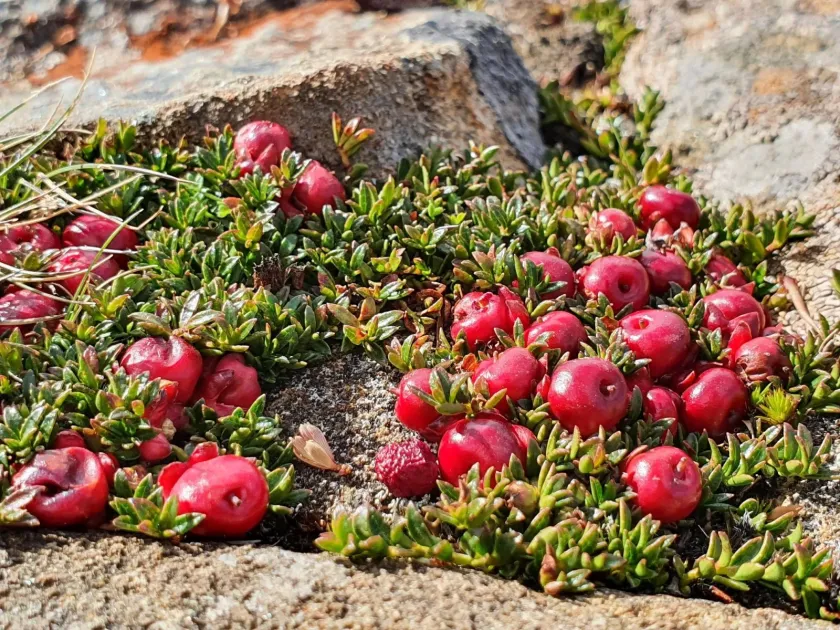
Tasmanian pernettya (Pernettya tasmanica, currently widely accepted as Gaultheria tasmanica) is a creeping evergreen shrub belonging to the Ericaceae family. It is native to the alpine areas of Tasmania, thriving in cool, moist, and high-altitude habitats.
The core requirement for successful growth is an acidic soil environment with a pH between 4.5 and 5.5. The soil should be high in organic matter, such as leaf mold or peat, providing excellent aeration and moisture retention while maintaining perfect drainage.
In terms of climate, this plant prefers cool, temperate conditions. It does not tolerate prolonged heatwaves or intense direct summer sunlight. Planting it in a location with dappled shade, particularly under taller shrubs or trees, mimics its natural forest floor environment.
Water quality is critical for this species. It is sensitive to dissolved salts and lime, so it must be watered exclusively with rainwater or deionized water to prevent foliage chlorosis and long-term damage to the plant's delicate root system.
The plant is highly valued for its creeping habit and bright, berries that provide aesthetic interest. Given its small size, it is ideal for rock gardens or ericaceous container displays where specific soil conditions can be strictly controlled.
Main diseases and pests
Root rot is the most common threat, usually triggered by waterlogged conditions. If the soil is too compact, the roots will quickly succumb to fungal pathogens, necessitating the inclusion of grit or sand in the planting medium for better drainage.
Spider mites represent the primary pest challenge, especially in warm, dry weather. Regular misting and maintaining optimal environmental humidity can help discourage these pests, though horticultural oil sprays may be required for severe infestations.
Leaf spot diseases may appear if there is poor airflow around the foliage. Thinning out the plant or ensuring it is positioned where there is a gentle movement of air is a key cultural practice for disease prevention.
Vine weevils can cause significant damage to the roots, which may go unnoticed until the plant begins to wither. Regular inspection of the soil surface and the application of nematode-based controls are recommended for integrated pest management.
Overall, keeping the plant healthy through consistent care—specifically managing pH and moisture—is the best defense. Avoid overcrowding to ensure the plant receives the light and air circulation necessary for its survival.