
Pernettya lanceolata
Pernettya lanceolata
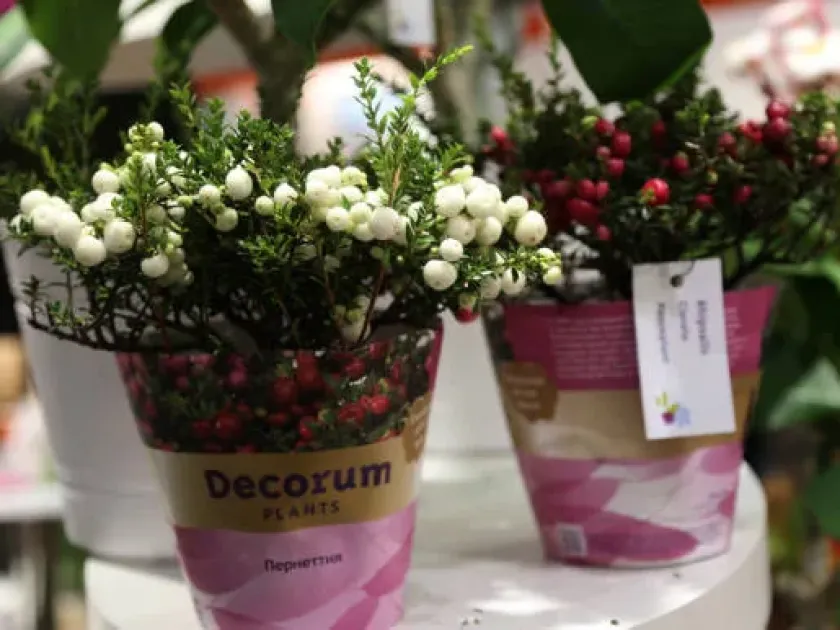
Description
Growing requirements
Pernettya lanceolata is an evergreen dwarf shrub belonging to the Ericaceae family. Native to the high-altitude regions of South America, specifically the Andean mountain ranges, this plant is naturally adapted to cool, misty environments with high soil humidity and acidic substrate conditions.
Botanically, the plant is recognized by its dense habit and small, lance-shaped, leathery leaves that remain green throughout the winter. The species is highly valued for its aesthetic transition from bell-shaped blossoms to striking, berry-like fruits that provide visual interest in temperate gardens during the late season.
For successful cultivation, Pernettya lanceolata requires an acidic soil environment with a pH between 4.5 and 5.5. Soil must be rich in organic matter, such as peat or pine needles, and possess excellent drainage to prevent root suffocation, a common failure point for ericaceous plants.
Environmental requirements include a location with partial shade, as the shrub is sensitive to direct, intense sunlight which can scorch its evergreen foliage. It thrives in locations with high atmospheric humidity and cool, stable temperatures, making it a perfect candidate for alpine gardens or patio containers in cooler climates.
Maintenance involves routine watering with soft, lime-free water to maintain the acidity of the root zone. Mulching is highly recommended; using pine bark or acidic peat moss helps regulate soil temperature, suppress weeds, and retain the moisture levels necessary for the health of shallow fibrous roots.
Main diseases and pests
The primary threats to Pernettya lanceolata are soil-borne fungal pathogens, particularly root rot, which occurs if the drainage is insufficient or if the roots remain constantly waterlogged. Avoiding over-fertilization and ensuring proper air circulation around the canopy are critical preventative measures.
Insects like spider mites or scale insects may occasionally infest the plant, especially in low-humidity indoor or greenhouse conditions. Regular inspection and the application of insecticidal soaps or horticultural oils are typically effective methods for managing such populations without damaging the plant's sensitive foliage.