
Pernettya prostrata
Pernettya prostrata
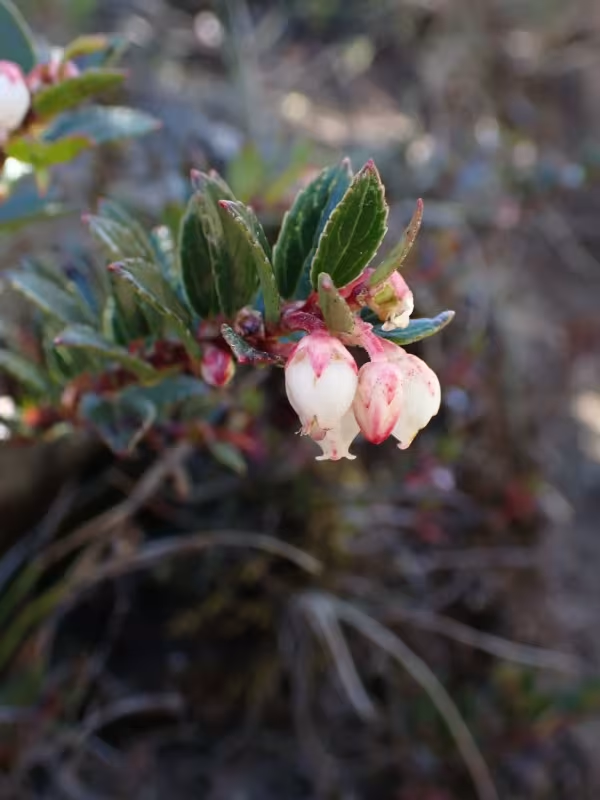
Description
Growing requirements
Pernettya prostrata is a prostrate, evergreen shrub belonging to the Ericaceae family. Known for its creeping habit, it is widely valued in landscaping for creating dense ground cover and providing year-round foliage interest.
Native to the high-altitude regions of Central and South America, particularly the Andes, the plant is naturally adapted to cool, mountainous climates. It thrives in environments that provide consistent moisture and protection from extreme heat.
This species has specific soil preferences, requiring acidic, well-draining, and organic-rich substrates. It is essential to avoid planting in heavy clay soils unless significant drainage modifications are implemented to prevent root rot.
Optimal growth is achieved in partial shade or areas with filtered light. While the plant can tolerate some sunlight, intense direct exposure, especially in warmer regions, can scorch the foliage and hinder its overall vitality and fruit production.
The agricultural management of Pernettya involves maintaining steady soil moisture. Mulching the root zone with pine needles or acidic compost helps retain moisture, regulate soil temperature, and suppress competitive weeds that might hinder the shrub's expansion.
Main diseases and pests
Fungal diseases represent the primary threat to the health of Pernettya prostrata. Issues such as leaf spot and various root rots are common, typically triggered by improper drainage, excessive irrigation, or stagnant air around the base of the plant.
Pests are also a significant concern, with spider mites being the most frequent nuisance. These mites thrive in dry conditions and can quickly infest the foliage, causing discoloration and leaf drop if left untreated by appropriate acaricides.
Scale insects can also infest the stems, extracting sap and weakening the plant's structural integrity. Proactive monitoring during the growing season allows for early intervention, often using horticultural oils or systemic insecticides to control the populations.
To keep the plants robust, annual pruning is recommended. This involves removing dead or diseased wood to promote better air circulation and light penetration, which are vital for preventing the development of fungal spores within the dense canopy.
Nutrient deficiencies, particularly iron chlorosis, occur if the soil pH shifts toward alkaline levels. Maintaining the correct acidity is not just a growth requirement, but a crucial preventive strategy against secondary health issues that often attract pests.