
Dwarf Pernettya
Pernettya nana
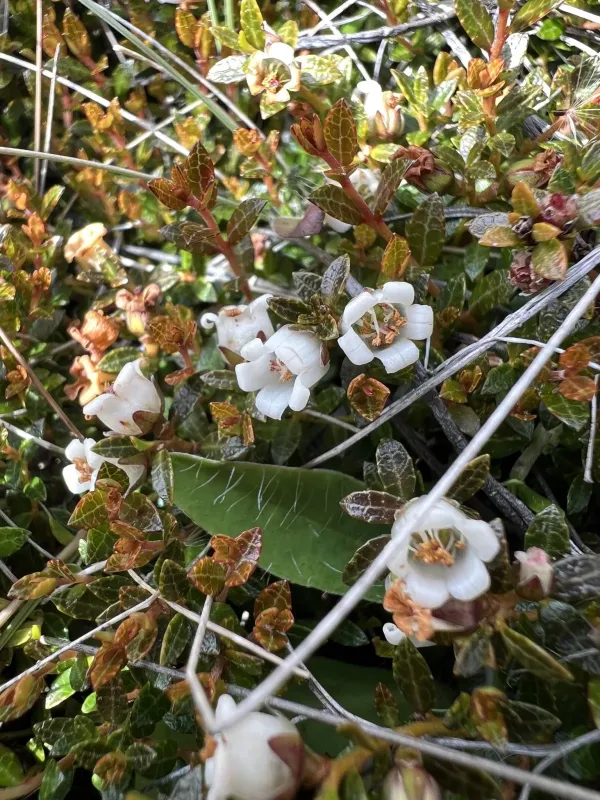
Description
Growing requirements
Dwarf Pernettya (Pernettya nana) is a low-growing evergreen shrub belonging to the Ericaceae family. It is highly valued in horticulture for its distinct ability to thrive in harsh, rocky alpine environments, providing year-round ground cover.
The plant originates from the mountainous regions of South America, specifically in Chile and Argentina. Its natural habitat is characterized by cool temperatures, high humidity, and acidic, nutrient-poor, rocky substrates.
For successful cultivation, it is essential to provide well-drained, acidic soil with a pH ranging from 4.5 to 5.5. The root system is sensitive to waterlogging, necessitating the installation of a gravel or coarse sand drainage layer in garden beds.
This shrub performs best in partial shade or areas with filtered sunlight. Intense direct sun can scorch the foliage and dry out the root zone rapidly, so selecting an appropriate site in the garden is crucial for the plant's long-term health.
Maintenance involves consistent watering with soft or rainwater. Lime-rich tap water should be avoided as it alters soil pH and causes iron chlorosis, which manifests as yellowing leaves and stunted growth.
Main diseases and pests
The most common threat to Pernettya nana is the development of root rot, typically caused by Phytophthora species in overly wet soil. Ensuring adequate soil aeration and drainage is the primary defense against these pathogens.
Powdery mildew may occur if the plants are crowded or located in areas with poor air circulation. Regular pruning to thin out the inner branches helps maintain airflow and reduces the probability of fungal outbreaks.
Pests such as spider mites and scale insects can occasionally infest the foliage, particularly in warmer, drier climates. Early detection and treatment with insecticidal soaps or horticultural oils can prevent significant damage to the plant structure.
Fertilization should be managed using specific Ericaceous or acid-loving plant formulas applied in early spring. Avoid excessive nitrogen, which can lead to lush but weak growth that is more susceptible to disease.
In terms of хозяйственное usage, this species is strictly ornamental. Its primary value lies in its decorative, pearl-like berries that persist on the branches well into the colder months, enhancing garden aesthetics when most other plants are dormant.