
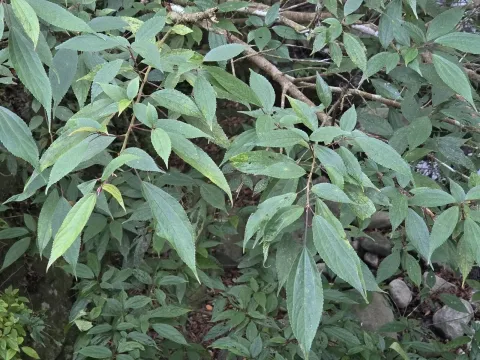
Oreocnide
Oreocnide
The sowing of Oreocnide seeds should be timed with the onset of the rainy season to ensure sufficient moisture for seed germination and initial root development.
What the section contains


Oreocnide
Seeds require a fine, organic-rich soil substrate and should be sown at a shallow depth to ensure they receive the light exposure necessary for germination.
Maintaining a temperature range between 22 and 26 degrees Celsius is critical during the initial planting phase to support uniform sprout emergence.
When starting in nurseries, seedlings should be carefully monitored for humidity levels before being transplanted into their permanent field locations.
Spacing between plants is vital, as density significantly influences the growth habit and the quality of the fiber developed within the stems.
As a member of the Urticaceae family, Oreocnide thrives best in environments that mimic tropical forest understories, preferring filtered or dappled sunlight.
The soil must be well-drained but retain significant moisture, with an ideal pH range leaning toward slightly acidic to neutral for nutrient uptake.
Consistent high humidity is essential for the healthy growth of the foliage and stem development, making it sensitive to arid or highly volatile conditions.
The plant is not tolerant of freezing temperatures and requires a stable, warm climate year-round to maintain vegetative growth without stress.
Agricultural setups often include windbreaks and shading structures to provide the stable microclimate needed for this sensitive fiber crop.
The primary economic output of Oreocnide is its bast fiber, which is harvested from the stems and prized for its structural integrity and tensile strength.
Achieving a high yield requires proper nitrogen supplementation and routine management to ensure that stems grow to the required diameter for harvest.
The annual yield is calculated based on the weight of the dried fiber harvested per hectare, which reflects the overall health and nutrition of the plantation.
Strategic pruning techniques can be utilized to stimulate the growth of more robust secondary shoots, effectively increasing the biomass of harvestable fiber.
Yield stability is generally maintained through selective harvesting cycles that allow the plant to recover and regenerate for subsequent growing seasons.
Fungal pathogens represent the most significant threat to Oreocnide, particularly those that thrive in waterlogged soil conditions or poorly ventilated environments.
Pests such as aphids and mites may target the young leaves, causing stunted growth and potentially reducing the final quality of the extracted fiber.
Root rot, driven by excessive soil moisture and poor drainage, remains the most devastating condition that can compromise the health of an entire plantation.
Weed competition for sunlight and nutrients can severely inhibit the growth of young Oreocnide plants, necessitating regular manual or mechanical weeding.
Integrated pest management, including the use of biological control agents, is recommended to mitigate the impact of common tropical agricultural pests.
Harvesting involves the precision cutting of mature stems, ensuring the crown of the plant is preserved for regrowth in the following cycle.
Once harvested, the stems undergo a series of processes to strip the bark and extract the raw fiber, which is then dried under controlled conditions.
The timing of the harvest is critical; early harvest yields finer fibers, whereas waiting longer results in thicker, more robust fibers used for heavier textiles.
Storage of the finished fiber must occur in a dry, ventilated area to prevent the growth of mildew or other moisture-related degradation.
Proper post-harvest care, including the application of organic amendments to the soil, helps ensure the plant remains productive for successive harvests.