
Oreocnide pedunculata
Oreocnide pedunculata
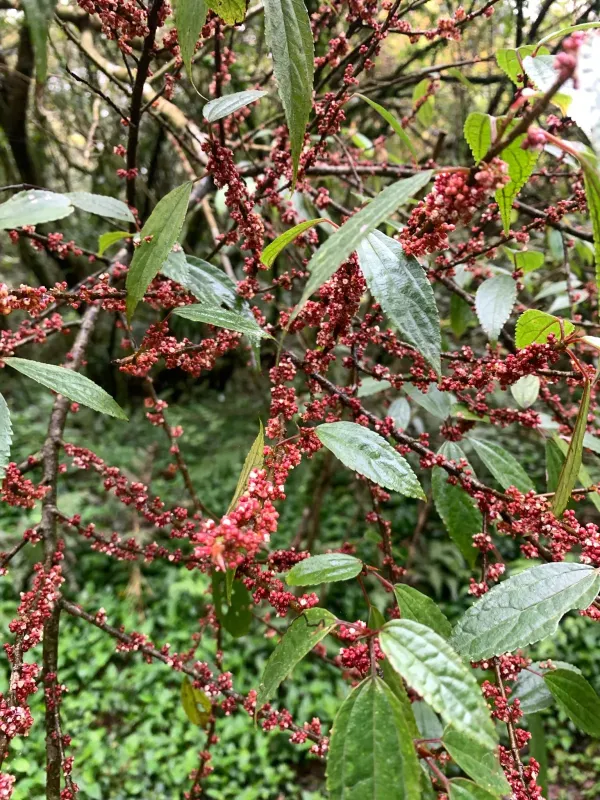
Description
Sowing dates
Oreocnide pedunculata is typically propagated through seeds in nursery environments, as the seeds have a relatively short viability period. Sowing should occur shortly after seed collection in a well-draining, nutrient-rich substrate.
The ideal time for nursery propagation is the beginning of the growing season when temperatures are consistently warm and daylight hours are increasing. Proper moisture management is essential to ensure high germination rates.
Once seedlings reach a height of approximately 15–20 centimeters, they are ready for transplanting into open soil. Great care must be taken to minimize root disturbance during this process to ensure successful establishment.
Transplanting should be scheduled when the risk of temperature drops is minimal, as young plants are highly sensitive to thermal stress. A spacing of at least one meter between plants is recommended to allow for crown development.
In regions with fluctuating weather, initial growth may be slow, requiring diligent observation and occasional protective measures against adverse environmental conditions.
Growing requirements
Belonging to the Urticaceae family, Oreocnide pedunculata is native to humid tropical forests. It thrives in environments with high ambient humidity and stable, warm temperatures throughout the year.
Soil requirements involve deep, well-draining loams rich in organic matter. While the plant requires moisture, waterlogging must be avoided, as it leads to root decay and susceptibility to fungal pathogens.
The plant prefers filtered sunlight or partial shade. Exposure to intense, direct midday sun can result in leaf scorching and reduced vigor, making canopy management or shading systems beneficial for large plantations.
Irrigation should be consistent, aiming to keep the root zone damp but not saturated. Mulching with organic matter is highly recommended to regulate soil temperature and maintain moisture levels during drier intervals.
Fertilization should focus on organic inputs to improve soil structure, with supplementary nitrogen application during the peak growing phase to support the production of long, fibrous stalks.
Yield
The primary agricultural output of Oreocnide pedunculata is its high-quality bast fiber. Historically used for traditional textiles and fishing nets, the fibers are prized for their exceptional tensile strength and durability.
Yield efficiency is determined by planting density and the frequency of stalk harvesting. Proper pruning techniques encourage the growth of secondary shoots, maximizing the total biomass production per plant.
The harvest cycle is sustainable, provided that enough mature stalks remain to support the plant's physiological recovery. Strategic pruning allows for multiple harvests over the lifecycle of a single established shrub.
Quantifying yield involves weighing the dried fiber extracted from the green stalks. Efficient post-harvest processing is crucial to increasing the net yield of usable textile material.
Furthermore, the plant contributes to local biodiversity, as its dense foliage provides microhabitats for beneficial insects, supporting a balanced agro-ecosystem.
Main diseases and pests
Fungal infections, particularly root rot, are the most significant threat to Oreocnide pedunculata, especially in poorly drained soil. Maintaining soil aeration is a primary preventative strategy.
Spider mites and various leaf-chewing insects can damage foliage during dry periods. Integrated pest management, focusing on biological controls and regular monitoring, is effective in managing these risks.
Mechanical injuries to the stem can provide entry points for secondary infections. Therefore, all agricultural practices must prioritize the use of sterilized tools and careful handling to minimize physical damage.
Excessive humidity combined with lack of airflow can lead to powdery mildew. Ensuring adequate spacing between plants allows for natural ventilation, reducing the prevalence of such foliar diseases.
Proactive monitoring of the plantation for early signs of disease is essential. Removing and destroying affected plant parts promptly prevents the spread of pathogens throughout the crop area.
Harvesting
Harvesting is performed during the peak growth phase, precisely when stalks reach the desired length but before they undergo extensive lignification. Fiber quality significantly diminishes if the stalk becomes too woody.
Stalks are cut manually using sharp tools, typically leaving a portion of the stem to facilitate regrowth. Once harvested, the raw material undergoes immediate processing, including retting and mechanical fiber extraction.
Post-extraction drying must be performed in a shaded, well-ventilated area to prevent fiber degradation. Rapid, uneven drying or exposure to excessive heat can negatively affect the fiber's elasticity.
Classification and sorting of fiber by length and tensile strength are performed after drying to ensure a high-value product. Consistency in quality is vital for meeting industrial or craft requirements.
Remaining biomass is often returned to the field as compost. This practice helps recycle nutrients and improves soil health for future planting cycles, creating a closed-loop agricultural process.