
Oreocnide frutescens
Oreocnide frutescens
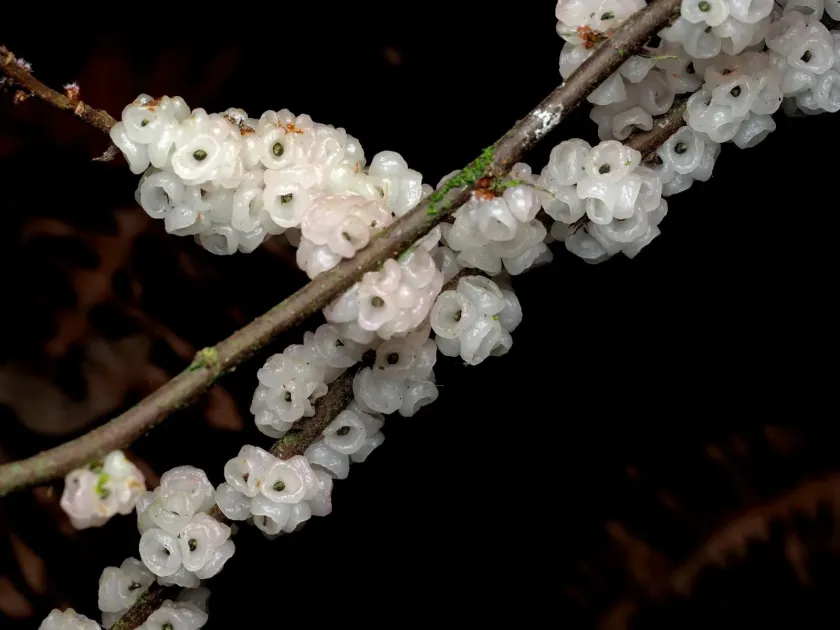
Description
Sowing dates
Oreocnide frutescens is a perennial shrub that is typically established through seeds or cuttings during the spring season. The optimal time for planting begins when soil temperatures consistently reach 15-18 degrees Celsius, ensuring favorable conditions for root development.
When using seeds, they should be sown in a well-prepared seedbed with appropriate spacing to allow for healthy bush growth. Greenhouse propagation is often preferred for large-scale operations to ensure higher germination rates compared to direct field sowing.
Cutting propagation is another common method, providing a faster way to establish new plantations. Cuttings must be placed in moist soil and kept under shaded conditions to maintain necessary humidity levels during the initial rooting phase.
Regular irrigation is essential during the first few weeks after planting to ensure the plants settle properly. Maintaining soil moisture without causing waterlogging is the primary goal for successful establishment.
In regions with distinct tropical cycles, planting schedules are usually aligned with the onset of the rainy season to minimize the need for supplemental irrigation.
Growing requirements
Belonging to the Urticaceae family, this species thrives in humid subtropical and tropical environments. It requires a stable climate without extreme temperature fluctuations to maintain vigorous vegetative growth.
The soil should be fertile, well-drained, and have a neutral to slightly acidic pH. Rich loamy soils are ideal for supporting the rapid biomass production required for fiber harvesting.
Oreocnide frutescens prefers bright but filtered light, making it suitable for agroforestry systems where it can grow in the partial shade of larger trees. Full sun exposure can be stressful unless humidity levels are consistently high.
Humidity is a critical factor for this plant's development. In drier climates, industrial cultivation usually requires the installation of irrigation systems to provide a misting effect for the foliage.
Crop rotation practices should be strictly observed, avoiding the cultivation of this species after other members of the Urticaceae family to prevent the accumulation of soil-borne pathogens.
Yield
The economic value of this crop is primarily derived from its high-quality bast fiber. The yield of the crop depends on the age of the shrubs and the consistency of the maintenance provided throughout the growing season.
A typical plantation remains productive for 3 to 7 years. Once the bushes lose their vigor, they are usually replaced to maintain high-quality fiber yields per hectare.
Yield improvement is heavily linked to proper agricultural management, including nitrogen fertilization and strategic pruning, which encourage the development of straight, long stems.
Advanced mechanical decortication techniques are vital for maximizing fiber extraction from the woody stems. Efficiency in these processes significantly impacts the overall profitability of the harvest.
Market demand for natural, eco-friendly fibers makes this crop a promising candidate for textile industries focused on sustainable raw materials.
Main diseases and pests
Pests such as aphids and leaf beetles are the most frequent threats to this crop. These insects can rapidly deplete the leaf canopy, leading to weakened plants and poor fiber quality.
Fungal diseases, particularly root rots, are common in poorly drained soils. Managing water levels and ensuring good soil aeration are the most effective ways to prevent such damage.
Powdery mildew can affect the foliage during periods of stagnant air and high humidity. Proper plant spacing and regular pruning are essential practices to improve air circulation within the shrub canopy.
Pest management should prioritize biological controls to ensure that the fiber remains free from harmful chemical residues. Integrated pest management (IPM) is highly recommended.
Constant monitoring of the fields is necessary to detect outbreaks early, allowing for targeted interventions before a widespread problem develops.
Harvesting
Harvesting involves cutting the stems at the base while ensuring the rootstock remains intact. This is crucial for the plant to regenerate growth for the subsequent season.
The timing of the harvest is determined by the specific requirements for the fiber. Earlier harvesting yields softer, more flexible fibers, while later harvesting results in stronger, coarser material.
Primary processing, such as separating the bark from the woody inner core, should take place immediately after harvest. This prevents the deterioration of fiber quality and helps maintain its tensile strength.
Drying is performed in ventilated, shaded areas to ensure the fiber does not lose its elasticity due to excessive heat or sun exposure. Proper drying is vital for long-term storage.
Finally, the processed fiber must be stored in climate-controlled environments to protect the material from moisture-related issues like mold or fungal contamination.