
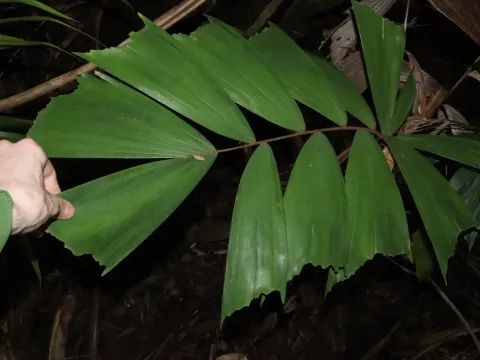
Normanbya
Normanbya
Propagation of Normanbya is primarily achieved through seeds, which should be harvested when fully ripe. Fresh seeds exhibit higher germination rates, though the protective outer husk must be removed to prevent fermentation during the initial phases of germination.
What the section contains

Normanbya
The optimal germination medium should be sterile and well-aerated, maintaining a constant temperature between +25°C and +30°C. Seeds often take several months to sprout, requiring patience and consistent moisture levels throughout this period.
When sowing, it is critical to bury the seeds just below the surface of a porous, organic-rich soil mix. Avoiding deep planting helps the developing embryo access necessary oxygen and prevents rot.
Once seedlings emerge, they should be kept in a lightly shaded environment. Early development is notably slow, necessitating a stable growing environment without sudden fluctuations in humidity or light exposure.
Transplanting seedlings to larger containers or permanent locations must be done with extreme care to avoid disturbing the fragile root system, which can be sensitive to handling and mechanical damage.
Normanbya is a tropical genus that thrives in high-humidity environments. It requires a climate where temperatures remain warm year-round, as the plant is highly sensitive to chilling temperatures and cannot tolerate frost.
The ideal soil is fertile, slightly acidic to neutral, and possesses excellent drainage capabilities. The plant will suffer if roots remain submerged in water, making the choice of a light, porous substrate essential for its longevity.
While the palm enjoys bright, indirect sunlight, it requires protection from the harsh midday sun in its juvenile stages. As the tree matures, it becomes more tolerant of direct light, provided its hydration needs are met.
Consistent watering is required during the growing season. The soil should be kept moist but never waterlogged. During winter or periods of lower temperatures, watering frequency must be reduced to account for slower metabolic rates.
Fertilization should be carried out using a balanced palm-specific fertilizer rich in trace elements. Magnesium and potassium deficiencies are common in container-grown plants and can lead to severe chlorosis.
Pests such as spider mites and scale insects are common adversaries for Normanbya, particularly in indoor or greenhouse environments. These pests thrive in dry air, causing significant damage to the foliage and stunted growth.
Mealybugs can be found in the crown or leaf axils, hiding under waxy secretions. Regular inspection and localized treatment with horticultural soaps or systemic insecticides can prevent severe infestations.
Root rot, often caused by water-mold pathogens like Phytophthora, is the most common health issue. This is almost exclusively triggered by overwatering or poor drainage, making soil management the primary defense.
Fungal leaf spots may develop if there is insufficient air circulation around the palm's fronds. Pruning and removing infected foliage help contain the spread of these pathogens within a collection.
- Monitor leaf undersides weekly for signs of mite webbing.
- Improve ventilation to discourage fungal growth.
- Use systemic fungicides only when cultural practices fail to curb disease spread.