
Normanbya
Normanbya normanbyi
Description
Growing requirements
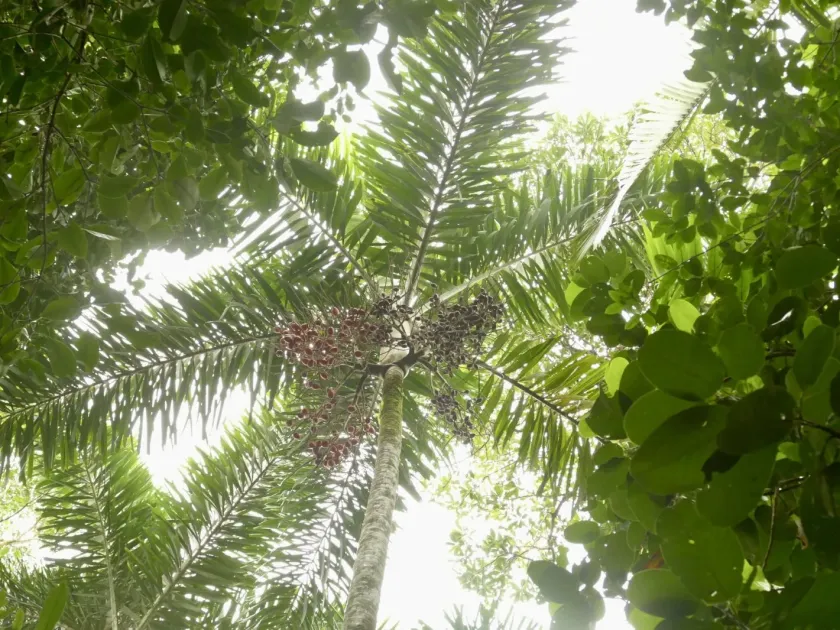
Normanbya (Normanbya normanbyi) is a distinct species of palm belonging to the Arecaceae family. It is endemic to the tropical rainforests of northeastern Queensland, Australia, where it thrives in shaded, humid environments under the forest canopy.
This palm is strictly tropical and requires consistent warmth to survive and flourish. It is highly sensitive to frost, which limits its outdoor cultivation to regions that remain frost-free throughout the entire year, typically in zones with high rainfall.
Botanically, Normanbya is known for its elegant, feathery fronds that emerge with a silvery-grey tint. It grows as a single-stemmed palm with a smooth, grey trunk, reaching significant heights in its native habitat while maintaining a slender and graceful appearance.
For agricultural and horticultural purposes, the plant demands rich, loamy soils with excellent drainage. While it prefers partial shade as a juvenile, established specimens can tolerate exposure to direct sunlight if the soil moisture is maintained.
The primary use of this species is ornamental. It is highly sought after for exotic landscaping in botanical gardens and private estates. Its ability to provide an architectural focal point makes it a premium choice for tropical landscape designers.
Main diseases and pests
Like many palms, Normanbya is susceptible to infestations by sap-sucking pests such as mealybugs, scale insects, and spider mites. These pests thrive in stagnant air conditions, necessitating proper spacing and ventilation in cultivation areas.
Root rot, often caused by poor drainage or excessive soil moisture, poses a significant threat to the overall health of the plant. Maintaining the correct balance of moisture and ensuring that water does not pool around the base is critical for long-term survival.