
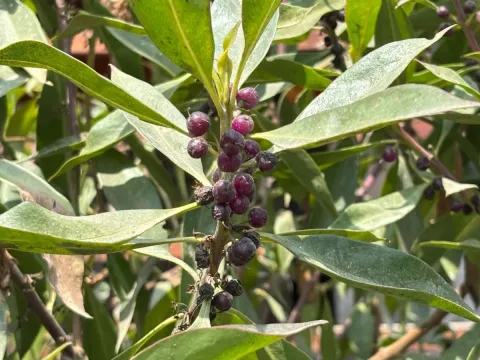
Myoporum
Myoporum
Myoporum is a genus of evergreen shrubs and small trees belonging to the Scrophulariaceae family. Originating primarily from Australia, this genus is widely recognized for its resilience and adaptability in Mediterranean-like climates.
What the section contains


Myoporum
The botanical structure of Myoporum features distinctive leathery, gland-dotted leaves. These glands produce essential oils that are a key characteristic of the genus. The plant produces small, often fragrant flowers that cluster along the stems.
Cultivation requirements for Myoporum emphasize high sunlight exposure and protection from severe frosts. While they are drought-tolerant once established, they thrive best in temperate zones where thermal extremes are avoided.
Regarding soil, the species demands well-drained conditions. Myoporum is sensitive to waterlogged environments, which can lead to rapid decay of the root system. Sandy or loamy, slightly alkaline soils are generally preferred.
Economically, the plant is valued for landscaping purposes. Its ability to form dense screens, act as ground cover on slopes, and tolerate coastal winds makes it an essential component of xeriscaping and sustainable gardens.
The most significant threat to Myoporum is root rot caused by Phytophthora or other water-borne pathogens, usually triggered by excessive soil moisture or poor drainage systems in the planting area.
Common pests include scale insects and mealybugs, which are notorious for inhabiting the leaf axils and the underside of foliage. Their feeding activity depletes the plant's resources and can lead to secondary fungal infections.
Aphids often target new, succulent growth in early spring. If left unmanaged, their secretions attract sooty mold, which impairs the plant's photosynthetic ability and aesthetic appearance.
Integrated Pest Management (IPM) protocols, including the use of horticultural oils and systemic insecticides, are recommended for maintaining the health of the plants in high-density ornamental areas.
Cultural control through pruning is crucial. By removing dead or crowded branches, gardeners can improve airflow throughout the canopy, minimizing the microclimate conditions that favor fungal disease outbreaks.