
Desert Myoporum
Myoporum deserti
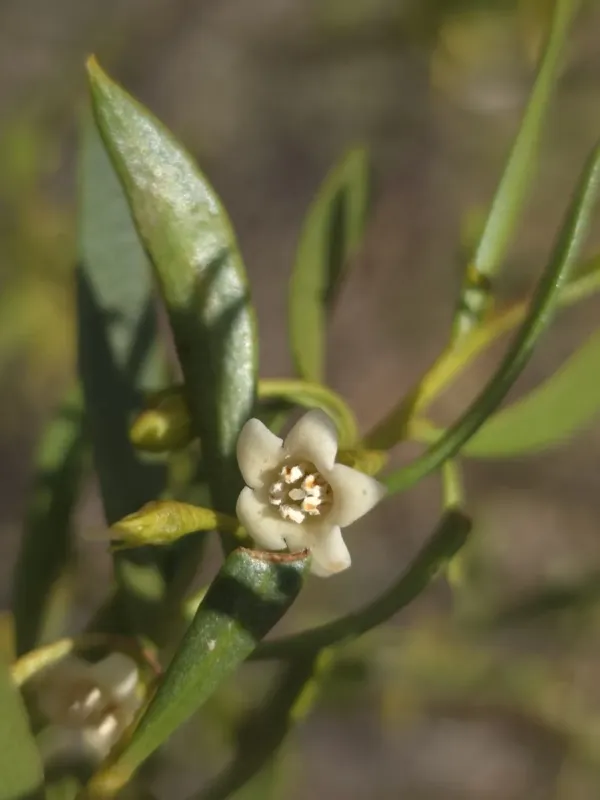
Description
Growing requirements
The Desert Myoporum (Myoporum deserti) is a resilient evergreen shrub belonging to the Scrophulariaceae family. Native to the arid regions of Australia, it has adapted perfectly to environments characterized by low rainfall and high heat.
This species is highly valued for its exceptional drought tolerance. It thrives in various soil types, including sandy, loam, and saline soils, making it an excellent candidate for land reclamation and controlling erosion in harsh climates.
It requires full sun exposure to maintain its structural integrity and health. The shrub's ability to minimize transpiration makes it a primary choice for xeriscaping projects in areas where water availability is a major limiting factor for agriculture.
Proper drainage is the most critical requirement for cultivation. While it can handle poor soil quality, stagnant water is lethal to its root system, often leading to rapid decline if the soil becomes waterlogged for extended periods.
Beyond its ecological role, the plant has traditional uses in medicine due to its volatile oils. In agriculture, it is often utilized to create shelterbelts that protect crops from hot, drying winds, thereby improving the microclimate of the field.
Main diseases and pests
Root rot is the primary physiological threat to the Desert Myoporum. This is almost exclusively linked to poor drainage management, as the plant is evolved for well-aerated, dry soil conditions rather than wet, compact substrates.
Insect pests, particularly aphids and certain scale insects, can infest the foliage, leading to stunted growth or the transmission of viral pathogens. Regular scouting is recommended during the active growing season.
The plant contains compounds that may be toxic to livestock if ingested in large quantities. Therefore, while it acts as a windbreak, it is not suitable for inclusion in grazing pastures where cattle have unrestricted access to the foliage.
Environmental stress, such as prolonged flooding or severe nutrient imbalance, weakens the natural defense mechanisms of the shrub, making it more susceptible to secondary fungal infections that damage the vascular system.
Maintaining a healthy stand involves avoiding over-irrigation and ensuring that planting sites are properly prepared with coarse aggregates to improve soil permeability, effectively preventing the development of disease clusters.