
Maryland figwort
Scrophularia marilandica
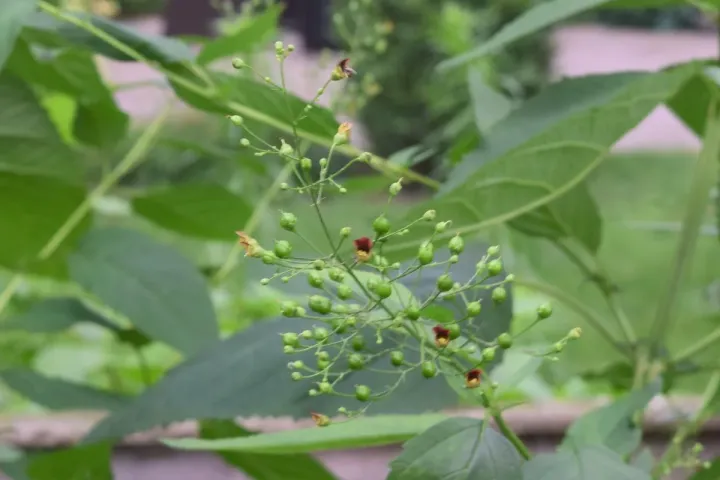
Description
Sowing dates
Sowing Maryland figwort (Scrophularia marilandica) requires proper seed treatment, as stratification often improves germination rates. Seeds should be sown in late autumn or early spring when temperatures are moderate and soil moisture is consistent.
The seeds are tiny and require light for germination, so they should be surface-sown on well-prepared, fine-textured soil. Lightly covering them with a dusting of sand or compost is sufficient to hold them in place while allowing sunlight exposure.
For greenhouse starting, seeds can be sown in flats during late winter. Pricking out seedlings occurs once they develop their first set of true leaves, allowing them to establish a robust root system before transplantation into the field.
Optimal spacing between plants is crucial, generally ranging from 40 to 50 cm. Adequate spacing ensures airflow, which significantly reduces the risk of fungal pathogens and allows each plant to reach its full size potential.
As a member of the Scrophulariaceae family, this perennial develops extensive root systems over time. Proper site preparation during the first year is vital, as the plant will occupy the same area for several seasons.
Growing requirements
Maryland figwort thrives in fertile, loamy soils that possess good drainage. While it is adaptable to various soil types, it performs best in soils with high organic matter content and a neutral to slightly acidic pH range.
Although it is known for its shade tolerance, full sun exposure is preferred for maximum biomass and nectar production. Increased light intensity enhances the concentration of active chemical compounds in the plant tissues.
Consistent moisture is necessary, especially during the peak growth season in early summer. Irrigation should be managed to avoid waterlogging, which can lead to root rot if drainage is insufficient in heavy clay soils.
The plant exhibits high resilience to temperate climate conditions, handling seasonal temperature fluctuations well. During prolonged dry spells, additional watering is recommended to sustain the plant's health and vigor.
Integrated weed management is important, particularly in the establishment phase. Using organic mulch around the base of the plants helps retain soil moisture, suppresses weeds, and maintains soil structure over time.
Yield
Maryland figwort is primarily grown for its value in medicinal herb production and as a late-season nectar source for pollinators. High biomass yields depend on soil quality, adequate fertilization, and consistent irrigation practices.
The crop is highly regarded by beekeepers, as it provides a valuable nectar source during late summer. This feature makes it an excellent addition to agricultural systems focusing on biodiversity and supporting beneficial insect populations.
Effective resource management involves crop rotation strategies that avoid consecutive planting on the same site for more than four to five years. This prevents the buildup of soil-borne pathogens and preserves soil nutrient balance.
Root yield peaks in older, established plants, usually by the third or fourth year. Harvesting cycles should be planned carefully to balance the production of both aerial parts and underground biomass.
Optimizing the harvest timing ensures that the concentration of bioactive compounds is at its peak, directly influencing the market value and medicinal efficacy of the produced herbal raw material.
Main diseases and pests
Fungal diseases, such as powdery mildew and leaf spots, represent the primary threats to the health of the figwort crop. These are often triggered by excessive humidity and poor air circulation within the planting rows.
Pests, particularly aphids and certain leaf-feeding beetles, may cause damage during the active growing phase. Integrated pest management, focusing on biological controls and regular field monitoring, is the preferred approach.
Root rot is a critical concern, especially in fields with poor drainage or during seasons with heavy, persistent rainfall. Careful site selection and soil amendment are essential preventive measures.
In cases of significant infestation, selective, environmentally friendly insecticides may be used, although caution is necessary for crops intended for herbal use to ensure residual-free status.
- Proper spacing to improve ventilation.
- Regular inspection for pest colonies.
- Implementation of effective drainage systems.
- Removal of infected plant debris.
Harvesting
The harvest of the aerial parts is conducted during the full bloom stage. Cutting should be done with sharp tools to ensure clean incisions, allowing the plant to regrow effectively in the following seasons.
Drying of the harvested biomass must take place in dark, well-ventilated drying facilities. Maintaining temperatures below 40°C is crucial for preserving the chemical integrity of the volatile compounds and pigments.
Root harvesting is performed at the end of the growing season when the aerial parts begin to senesce. The roots are excavated, washed thoroughly to remove soil, and prepared for immediate drying or storage.
Proper storage involves using clean, breathable containers in a cool, dark, and dry environment. This prevents degradation and protects the raw material from pests and moisture-related damage.
Quality assurance steps, including sorting and impurity removal, are conducted post-harvest to meet the required standards for trade or manufacturing into medicinal products.