
Myoporum bateae
Myoporum bateae
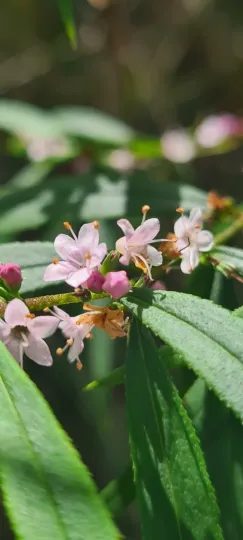
Description
Growing requirements
Myoporum bateae is an evergreen shrub belonging to the Scrophulariaceae family. Native to Australia, this plant is valued for its dense foliage and adaptability to warm climates, making it a popular choice for xeriscaping and coastal gardens.
The plant requires full sun exposure to thrive and maintain its characteristic shape. While it can tolerate various soil conditions, it performs optimally in well-draining, sandy-loam soils. Proper soil aeration is crucial to prevent root system suffocation.
In terms of irrigation, Myoporum bateae is moderately drought-tolerant once established. However, young plants require consistent watering during their first growing season to develop a robust root system capable of supporting further growth.
The climate requirements for this species include mild temperatures. It is sensitive to severe frost, which can cause significant damage to the branch tips. In temperate regions, it is best utilized as a feature plant in sheltered locations or as a container-grown specimen.
Horticultural use of the species is primarily centered on ornamental landscaping. It serves as an excellent candidate for formal hedges, windbreaks, and mass plantings in public parks, contributing to soil erosion control in slope areas.
Main diseases and pests
Myoporum bateae generally maintains a healthy status with proper maintenance, but it remains susceptible to soil-borne pathogens. Root rot is the most significant threat, typically triggered by poor drainage and excessive moisture accumulation.
Pest issues often involve sap-sucking insects, such as aphids and scale insects. These pests can cause chlorosis and stunted growth by depleting the plant's essential nutrients, particularly during the spring flushing period.
Spider mites may become a localized problem in hot, arid conditions. Providing adequate ambient humidity and occasional misting can help deter mite colonization, while specialized miticides are effective for severe infestations.
Effective management strategies include the implementation of cultural controls, such as thinning the canopy to promote airflow. Pruning out dead or crossing branches reduces the surface area available for fungal spores to colonize.
For chemical intervention, systemic insecticides are recommended when dealing with persistent aphid populations. Always follow label instructions carefully to ensure the safety of surrounding beneficial pollinators during the flowering stage.