
Myoporum floribundum
Myoporum floribundum
Description
Growing requirements
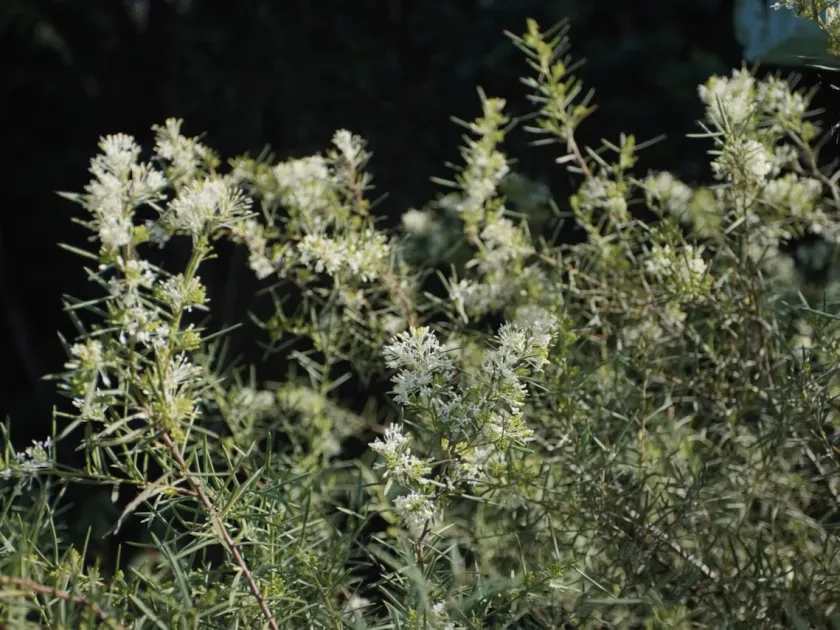
Myoporum floribundum, commonly known as the slender myoporum, is a distinct evergreen shrub belonging to the Scrophulariaceae family, widely recognized for its elegant foliage and profuse flowering.
Originating from Australia, this species is naturally adapted to a variety of coastal and inland habitats, often thriving in well-drained, sandy, or rocky soil compositions.
The crop thrives in temperate to subtropical climates and requires full sunlight to partial shade for optimal health and maximum floral density during the blooming season.
Agronomic management relies heavily on consistent irrigation during the establishment phase, transitioning to drought-tolerant maintenance once the root system is fully developed.
Pruning is a essential practice in the cultivation of this species, as it helps in maintaining structural integrity and encourages dense branching for landscaping purposes.
Main diseases and pests
Myoporum floribundum generally exhibits strong resistance to many common plant diseases, provided that environmental conditions meet the required drainage standards.
Root rot remains the primary threat under conditions of waterlogging or poor soil aeration, which can quickly compromise the vitality of the plant.
Pest issues are usually minimal but may include occasional infestations of aphids or leaf-feeding caterpillars that target tender terminal shoots.
Integrated pest management strategies involve maintaining plant vigor through appropriate fertilization and ensuring adequate spacing to facilitate healthy air circulation.
Monitoring for signs of stress or discoloration is crucial, as early detection allows for quick intervention using localized treatments rather than broad-spectrum applications.