
Gymnanthemum
Gymnanthemum
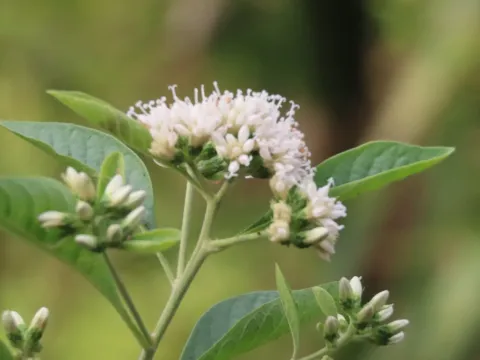
Gymnanthemum is a genus of flowering plants belonging to the Asteraceae family. Historically integrated into the Vernonia genus, it has been reclassified based on recent molecular data, defining its unique position within the tribe Vernonieae.
What the section contains


Gymnanthemum
The native range of Gymnanthemum spans primarily across the tropical regions of Africa, with some species found in Asia and the Americas. These plants thrive in environments characterized by stable, warm climates where frost is absent or extremely rare throughout the year.
Cultivation requires well-draining soil types, ideally sandy loams or compost-rich substrates. The genus is highly intolerant of waterlogged conditions, which can quickly lead to anaerobic stress in the rhizosphere and the development of fatal root pathogens.
When grown in controlled environments, Gymnanthemum requires bright, indirect sunlight. Excessive exposure to direct midday sun can result in leaf scorching, while insufficient light leads to spindly, weak stems that are prone to mechanical damage and poor flowering.
Temperature management is crucial for the optimal development of these plants. A consistent temperature range between 18°C and 26°C is considered ideal, ensuring steady vegetative growth and the eventual production of inflorescences, which are typically purple or white in color.
The economic value of Gymnanthemum is largely derived from the horticultural and ornamental plant industry. It is highly sought after by botanical gardens and collectors of rare tropical flora for its unique aesthetic and structural presence in landscape designs.
Seed harvesting should be performed when the flower heads have fully dried and begun to disperse. It is essential to bag the seed heads in advance to prevent natural seed scattering, ensuring that the maximum yield of viable seeds is collected during the drying process.
While some traditional uses of the plant exist in regional ethnobotany, the genus is not currently categorized as a major field crop. Its role in sustainable landscaping, however, is significant due to its ability to attract and support a variety of local pollinator species.
Maintenance of the crop involves periodic pruning to promote bushier growth and improve structural integrity. This practice helps in managing the plant's size and encourages a more prolific display of flowers throughout the peak growing season.
Post-harvest management of vegetative parts involves drying or composting, depending on the intended use. In large-scale horticultural operations, biosecurity measures are enforced to ensure that harvested materials do not carry pests between greenhouse compartments.